cyanoceans
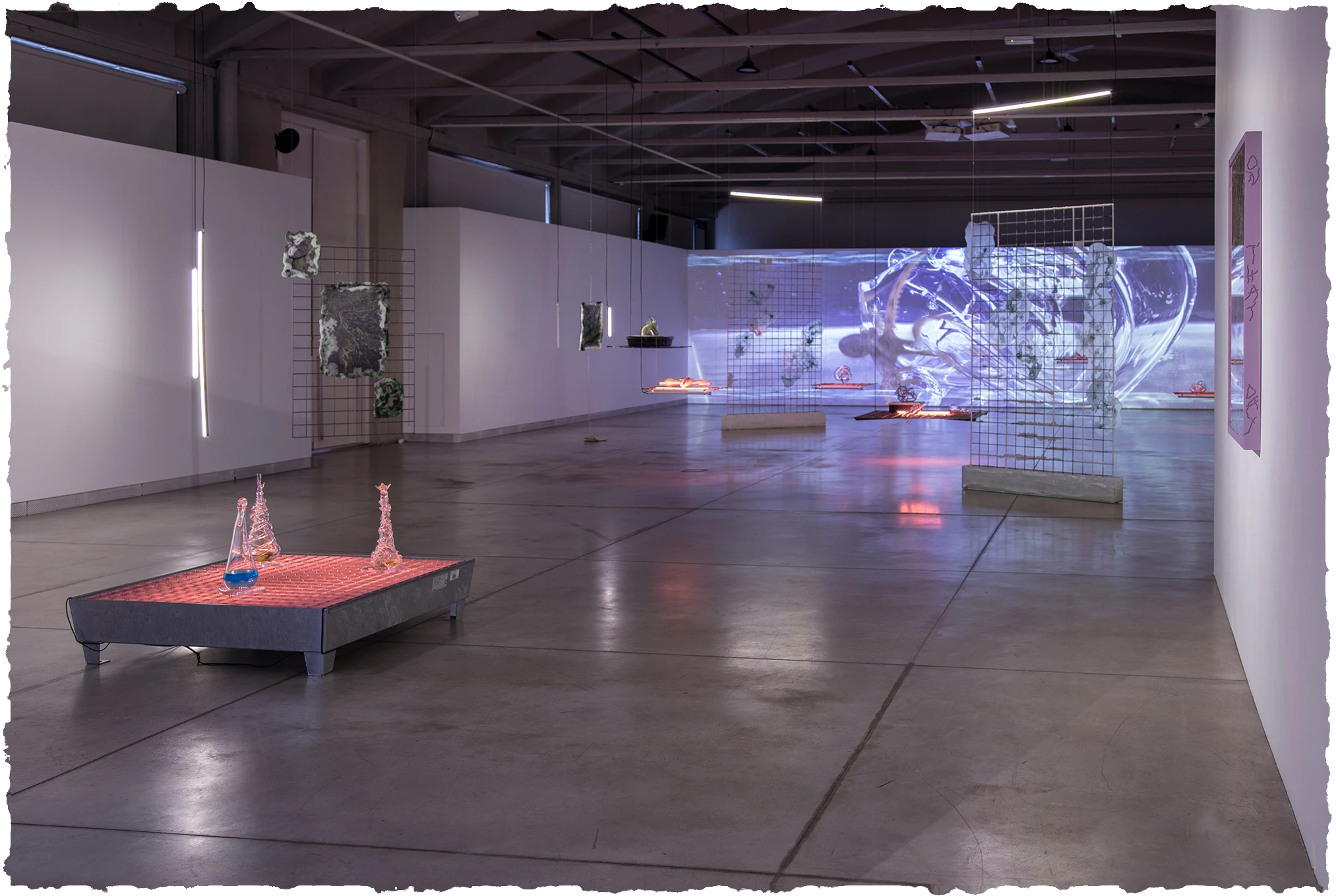
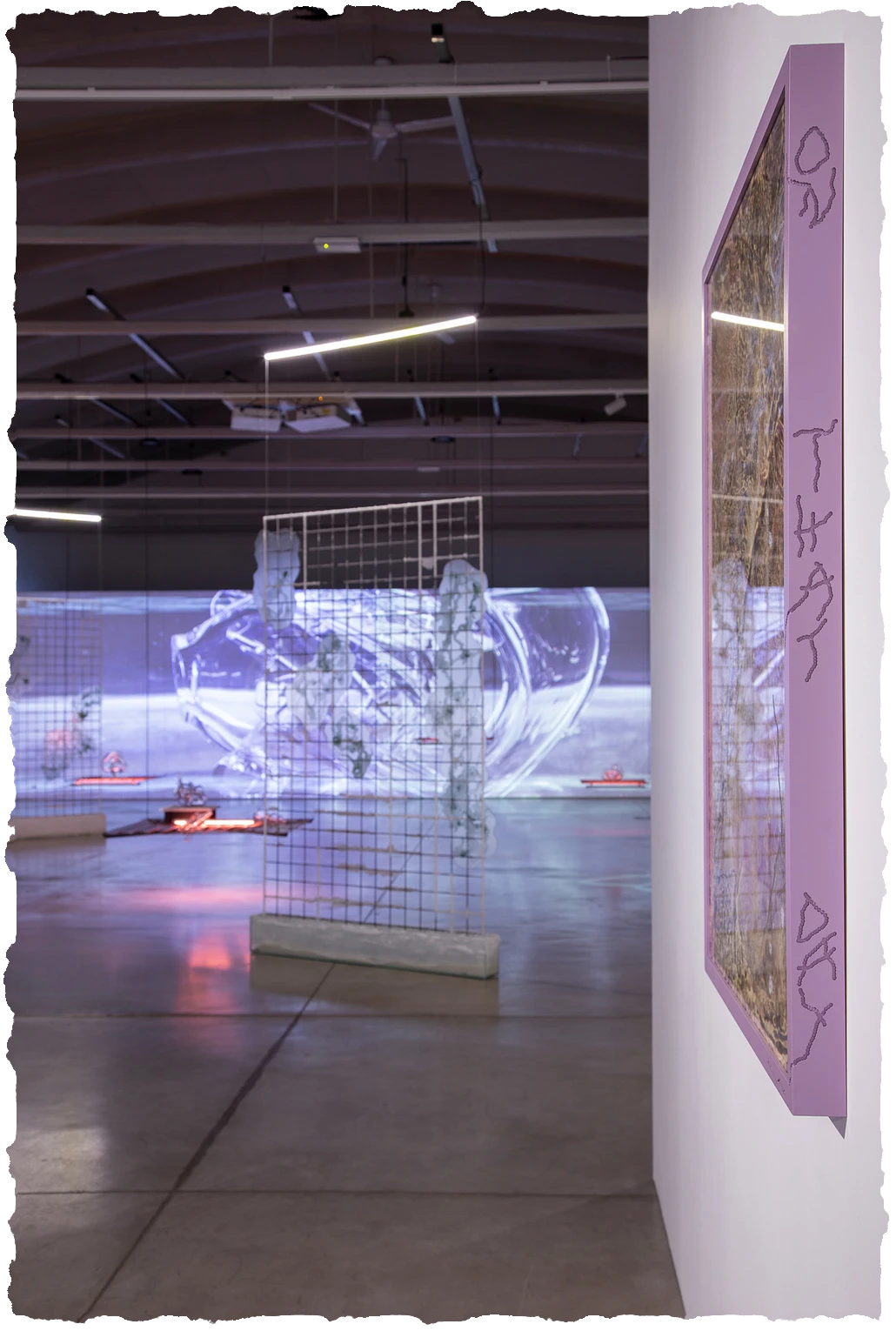
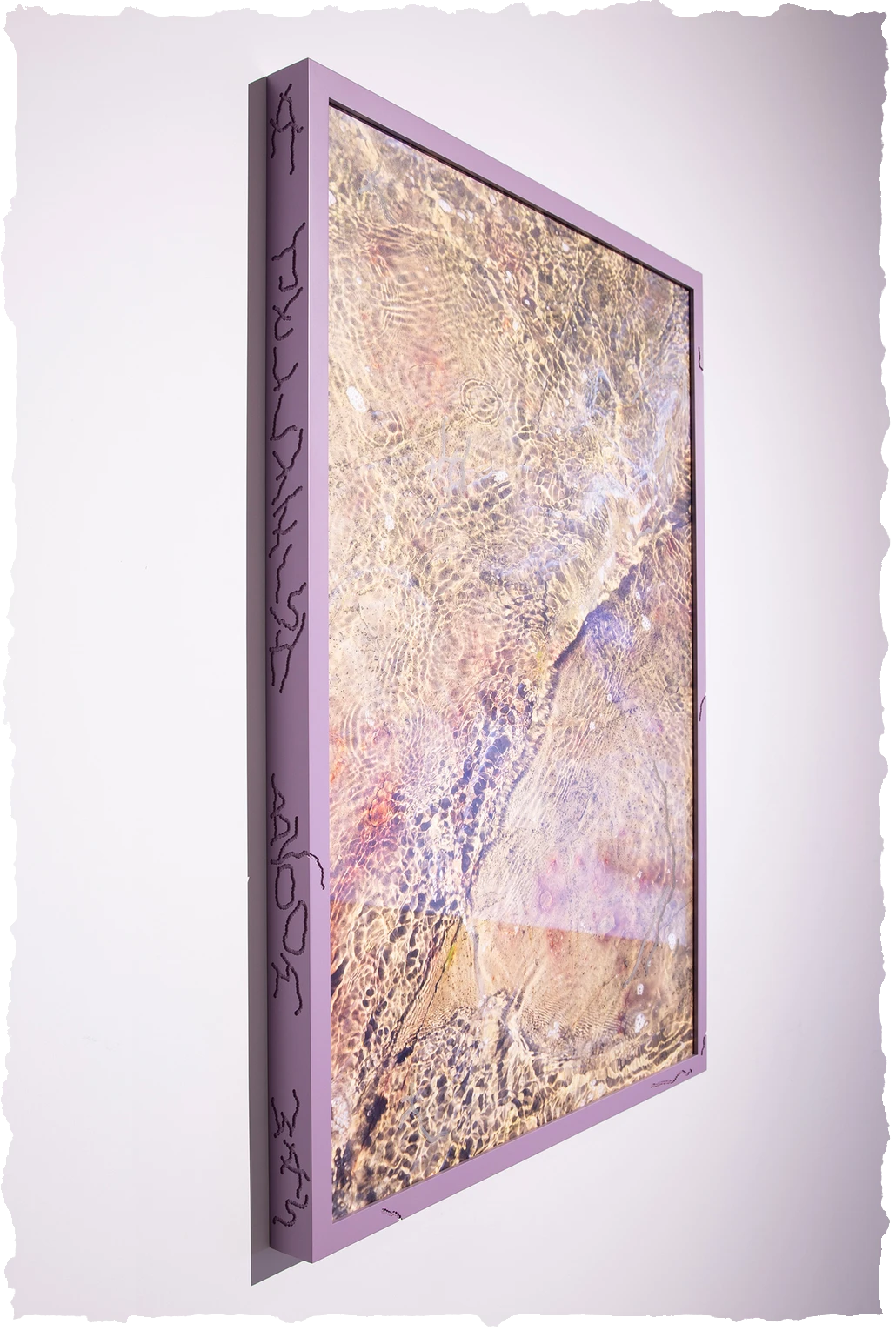
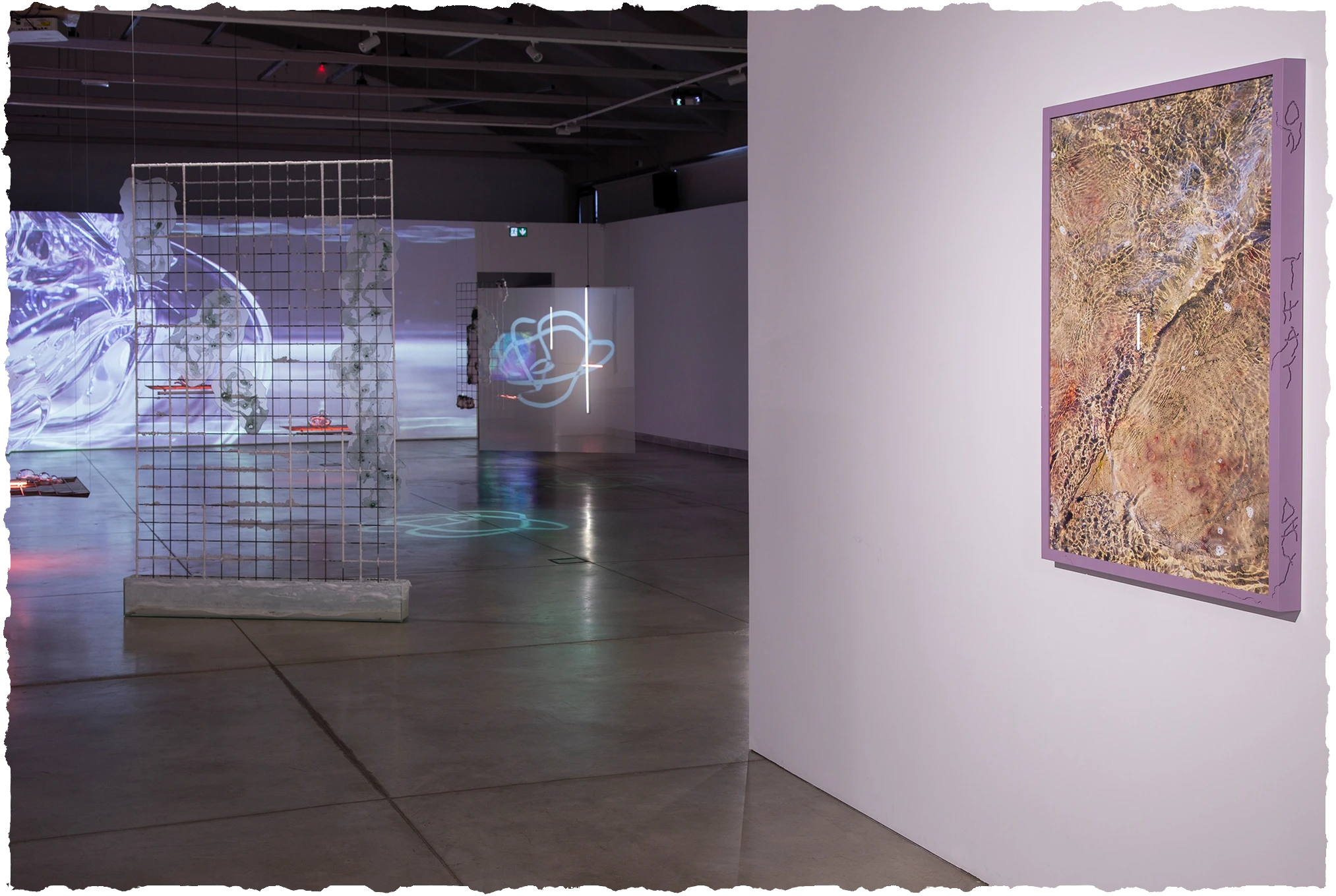
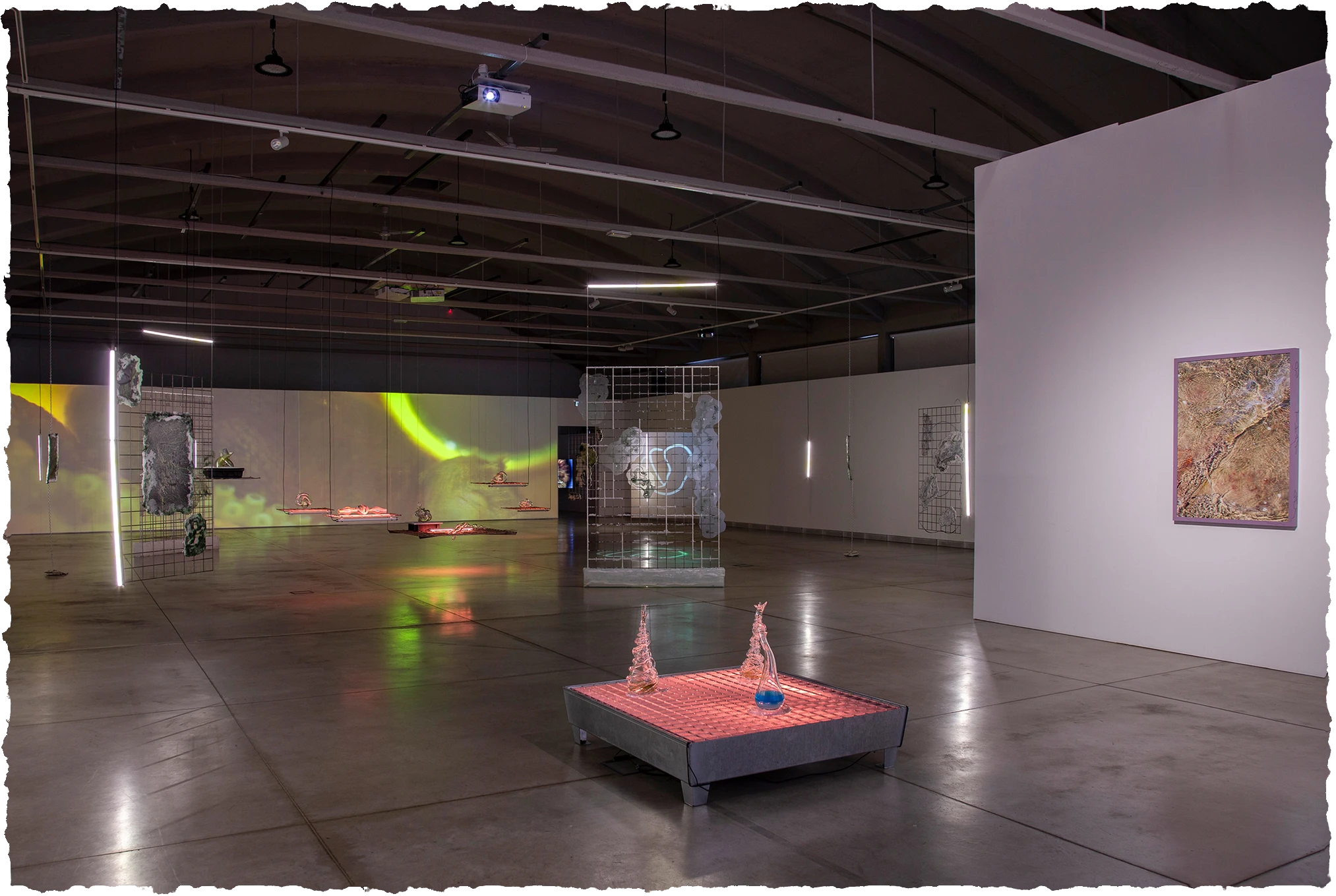
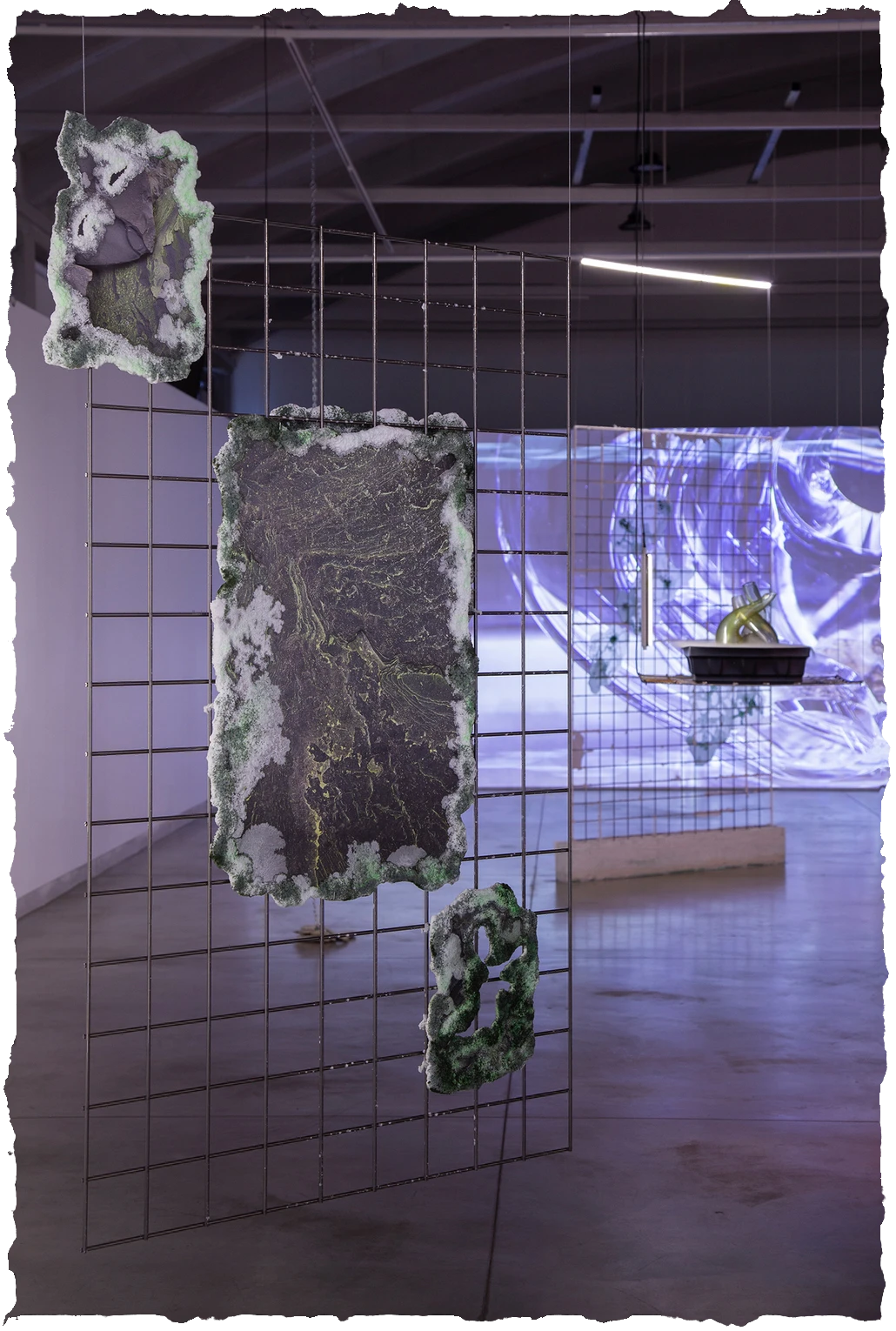
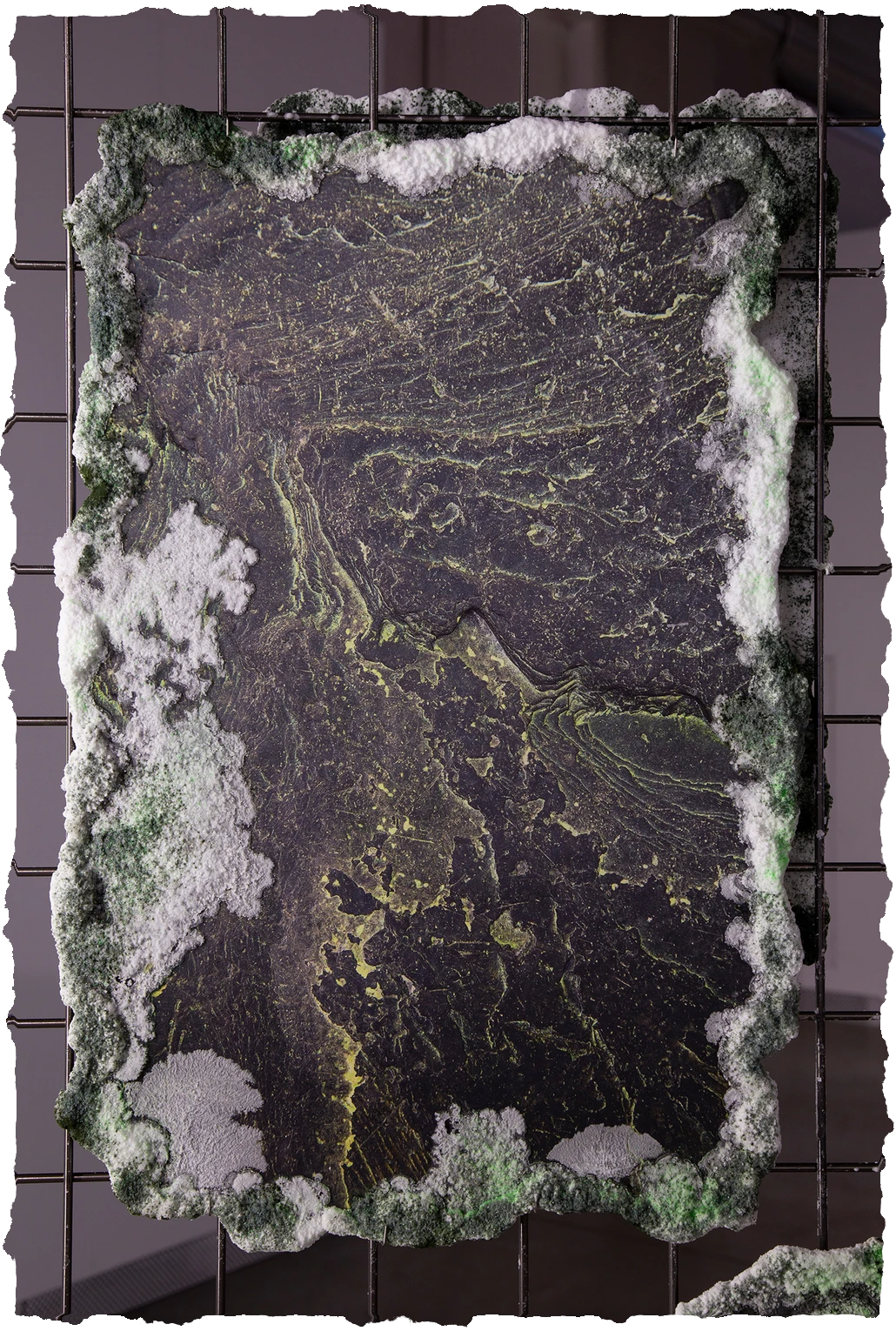
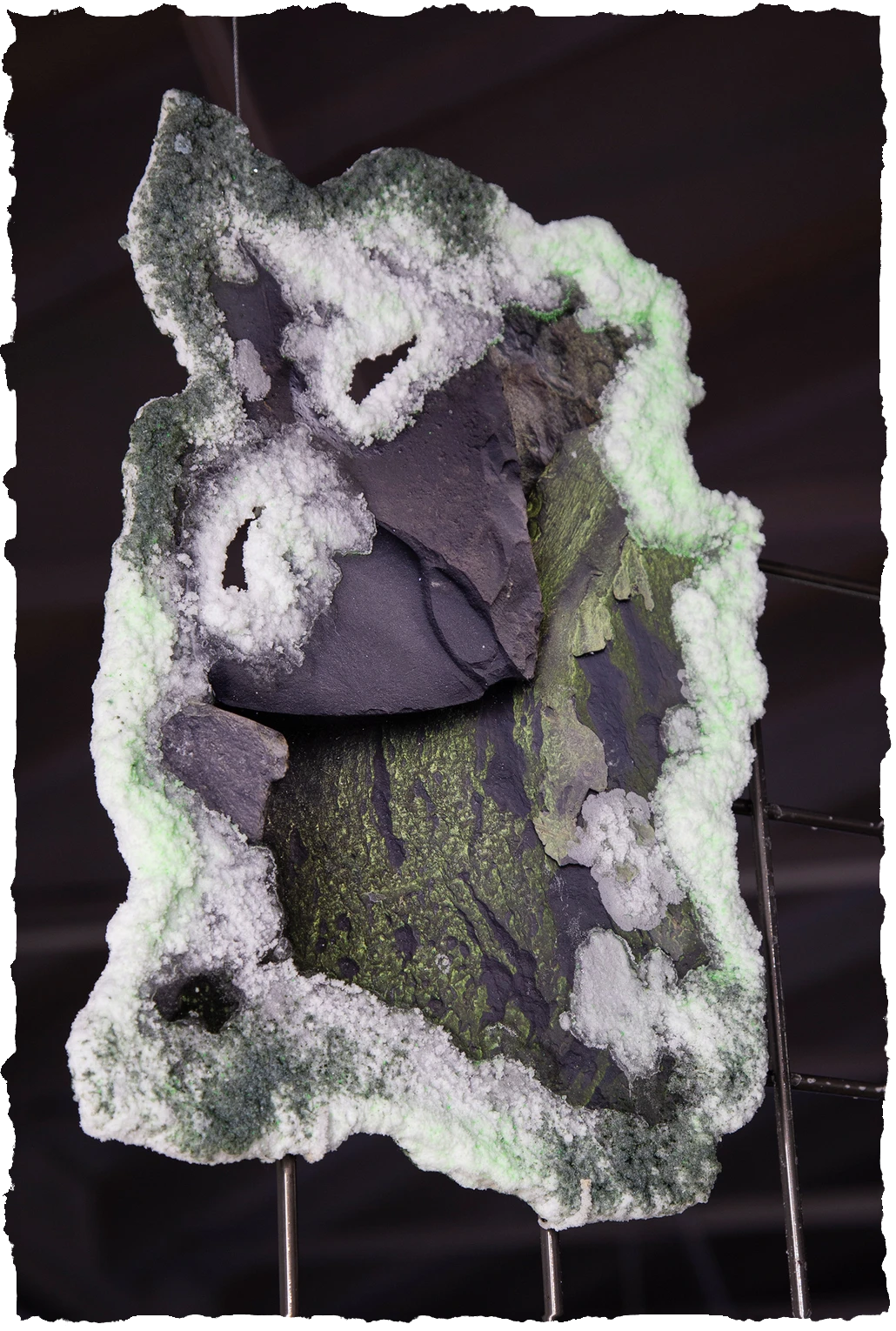
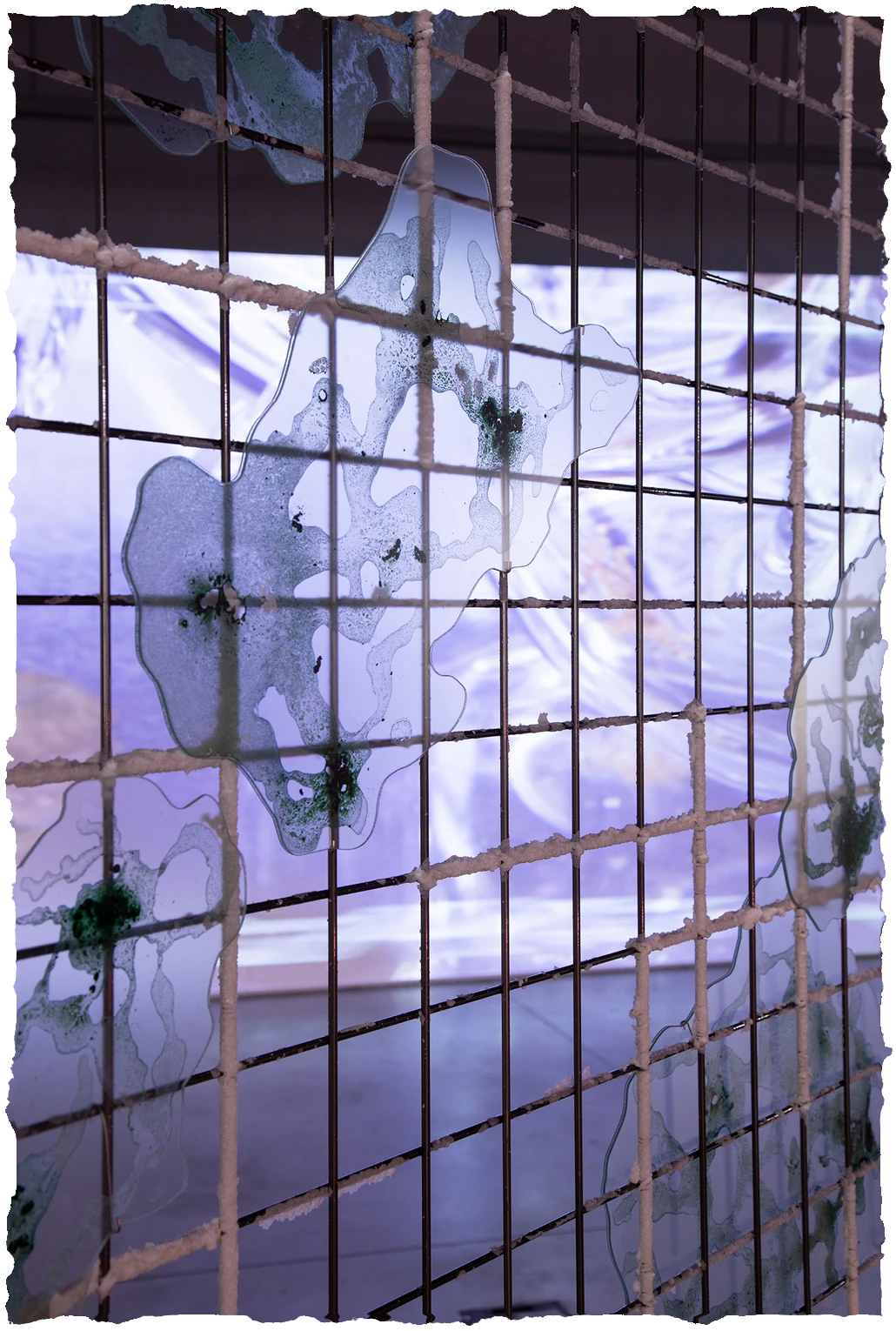
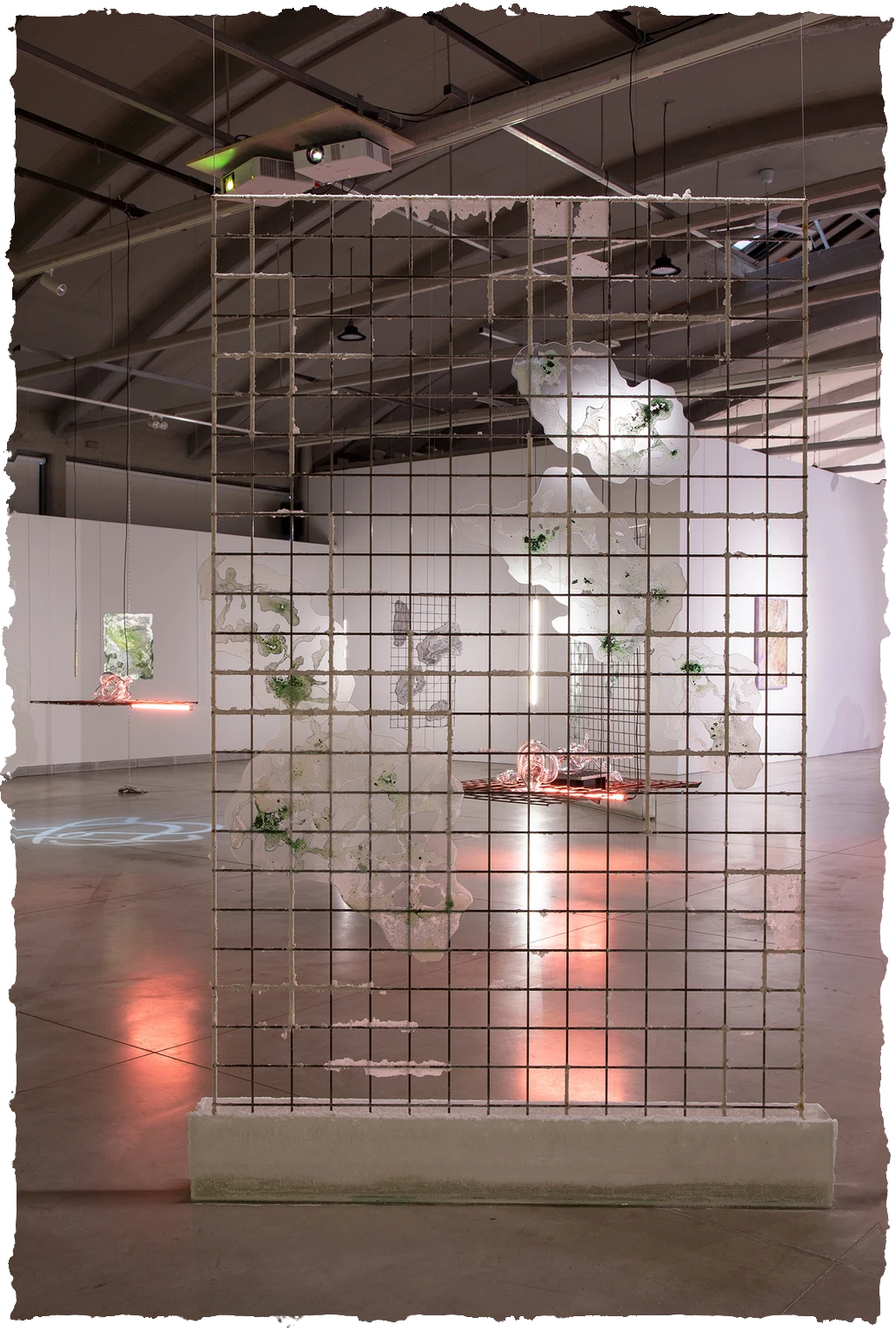
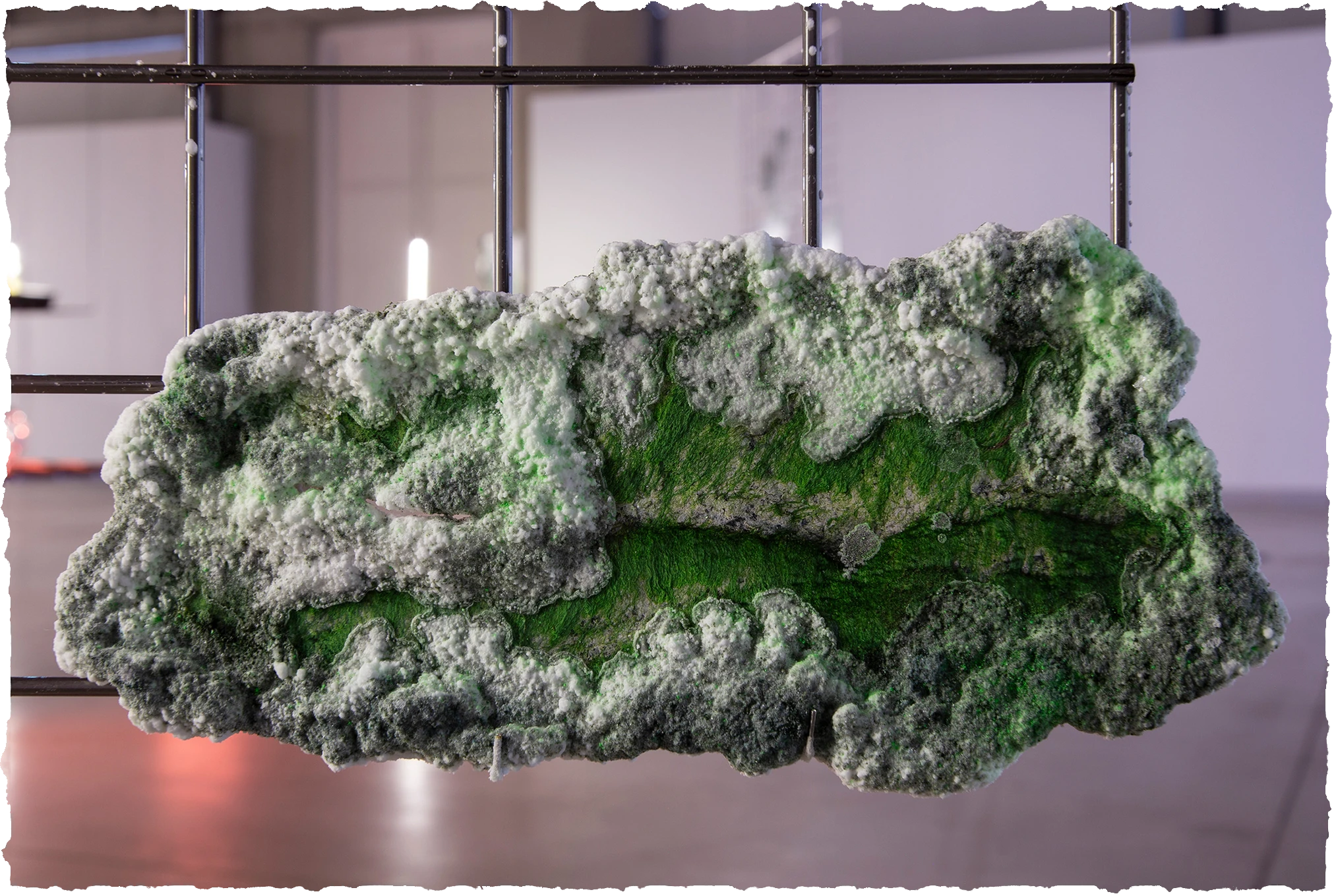
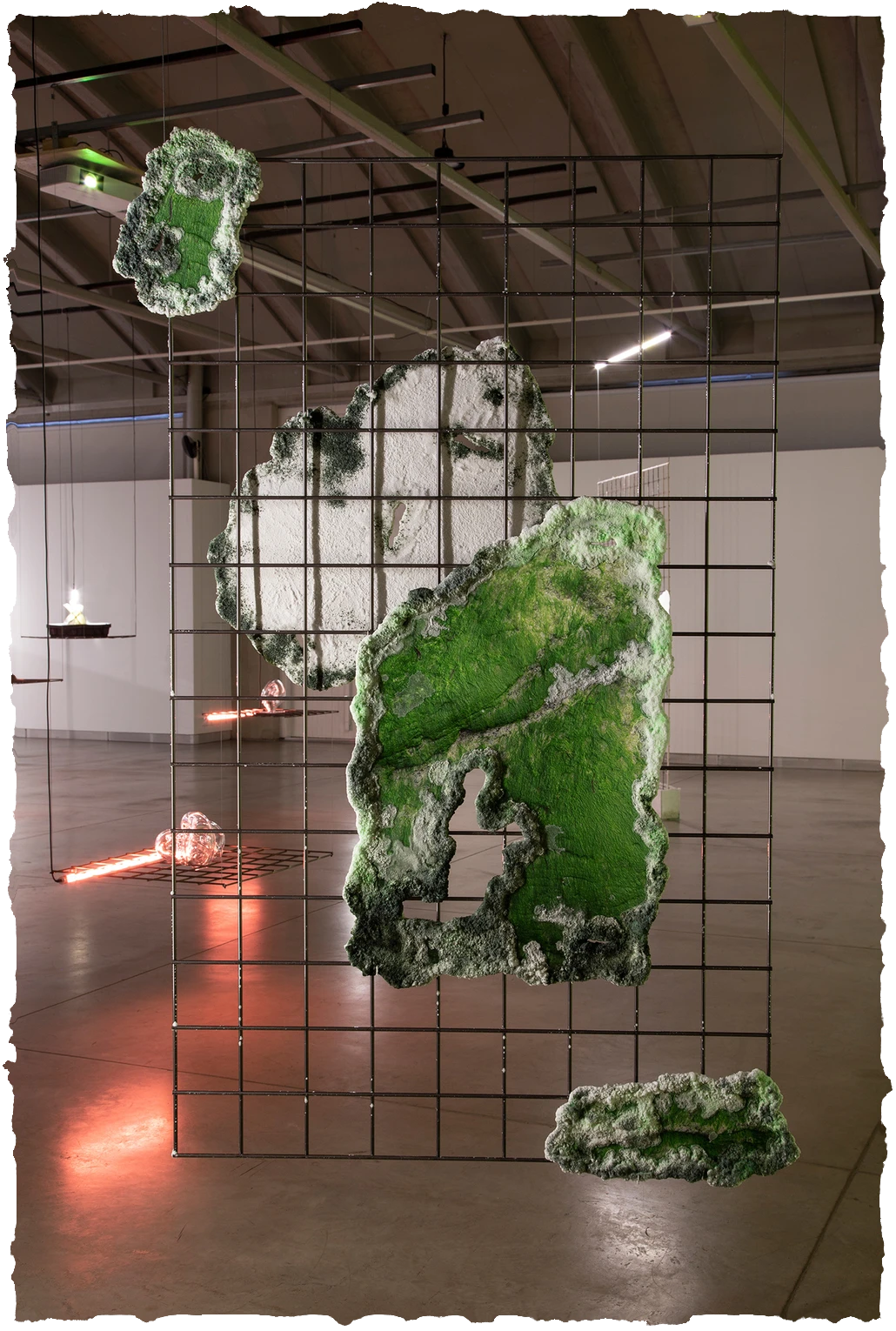
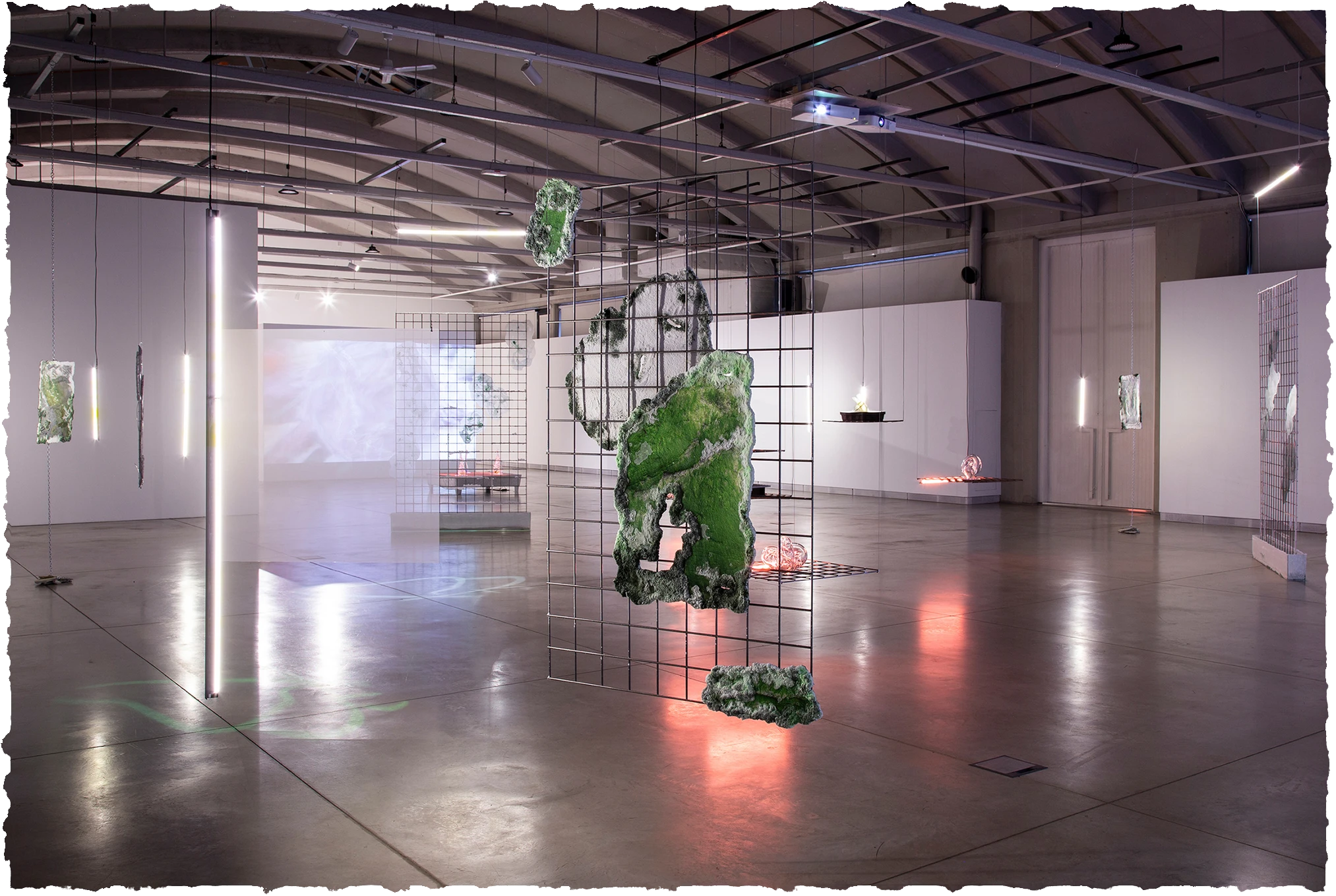
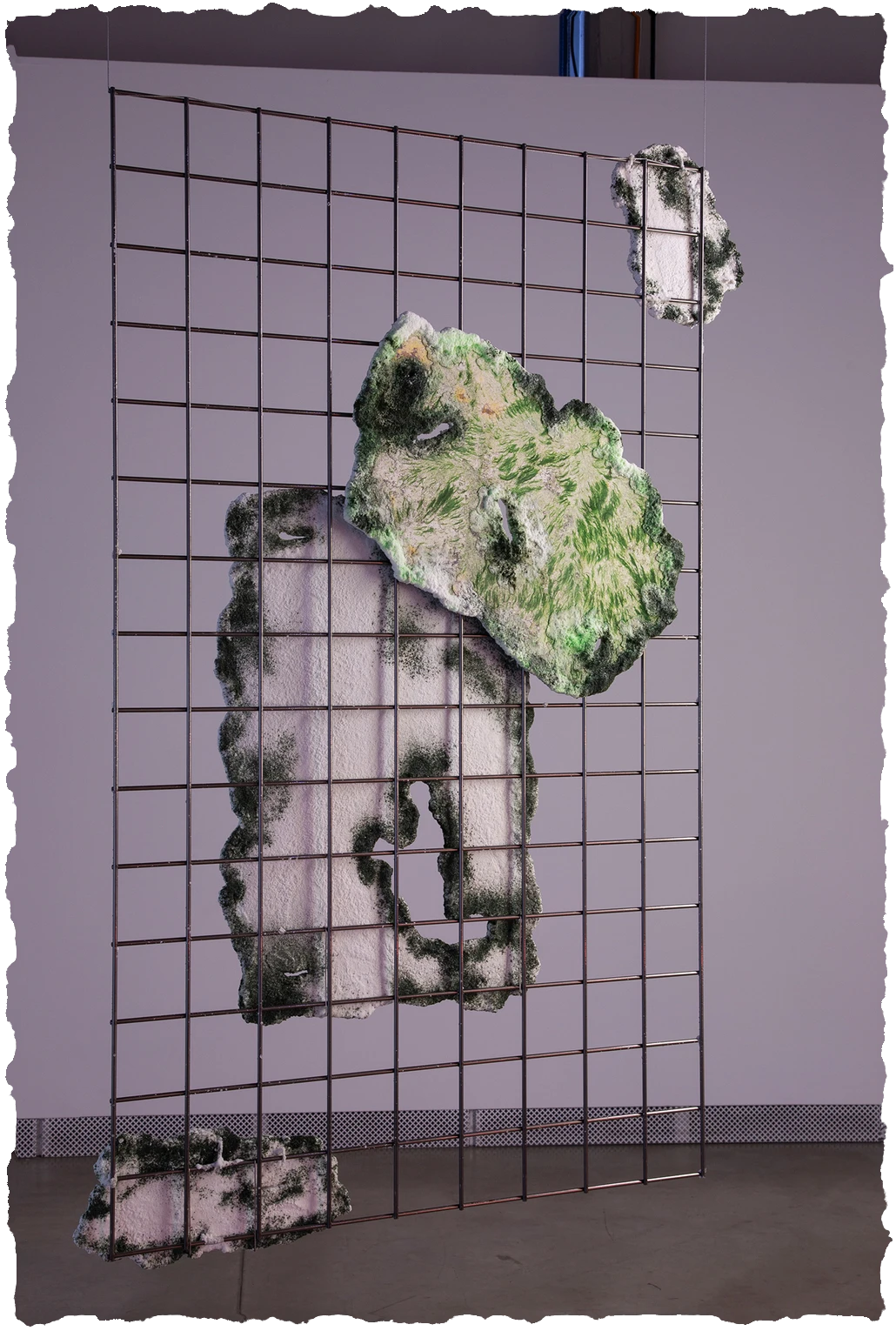
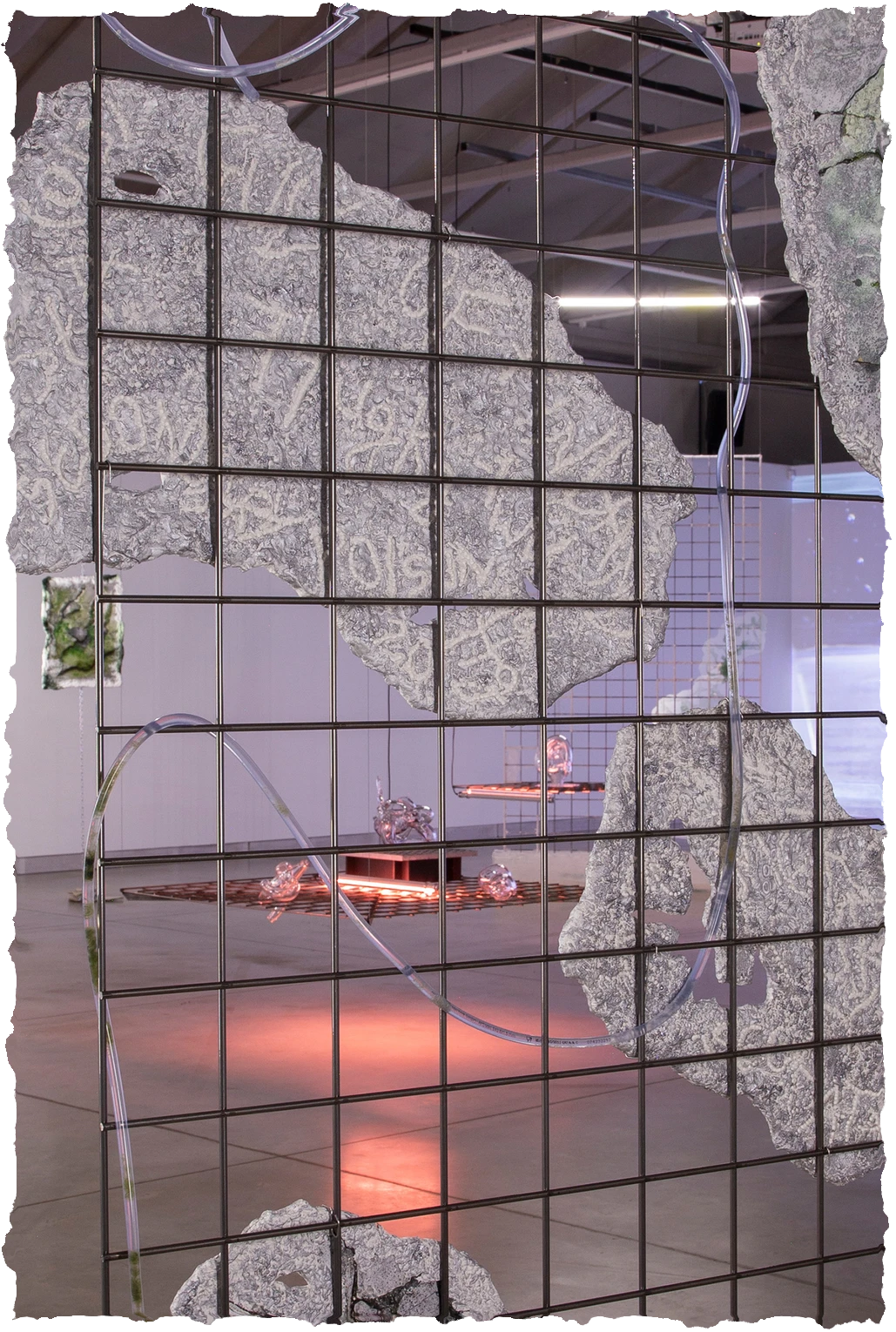
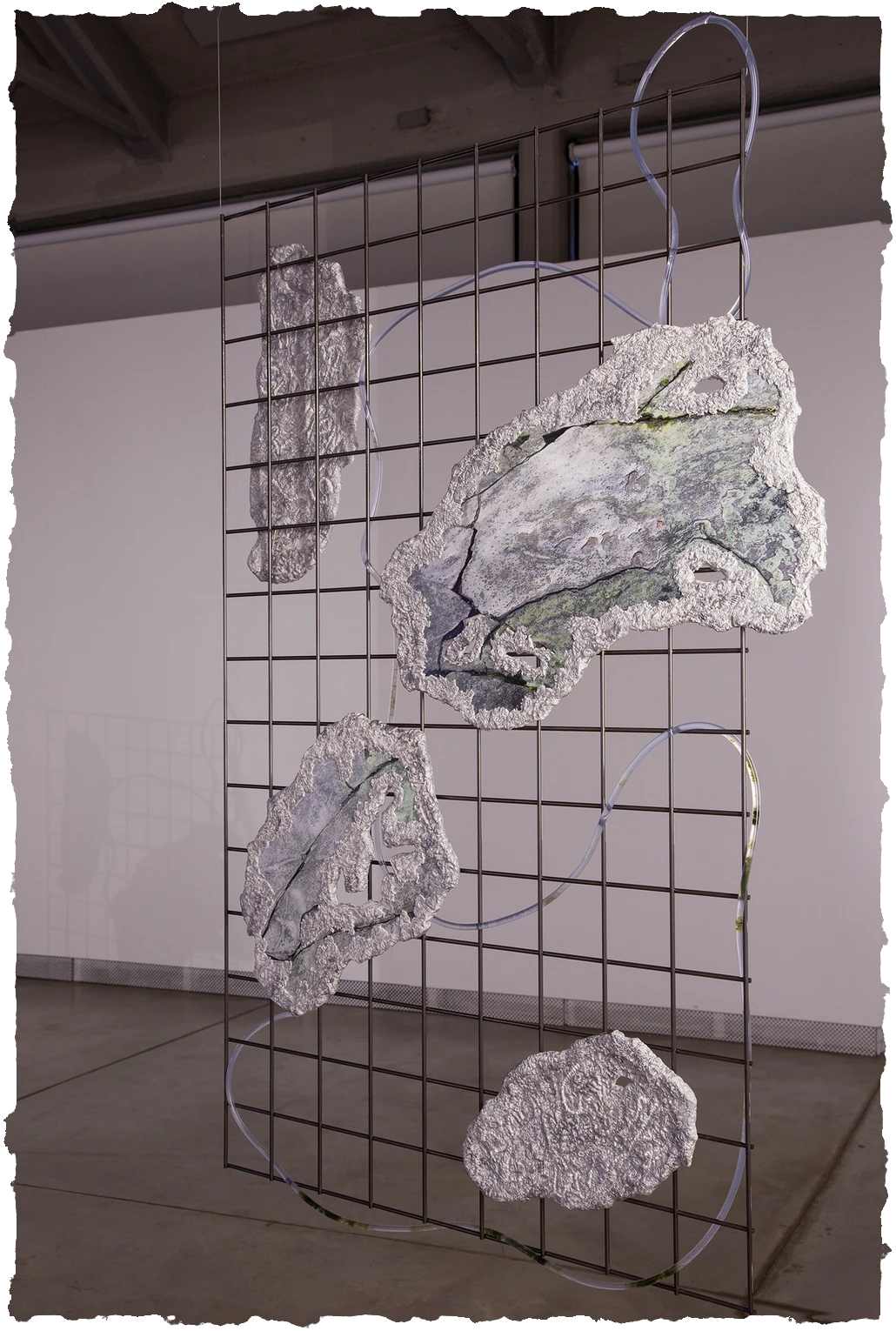
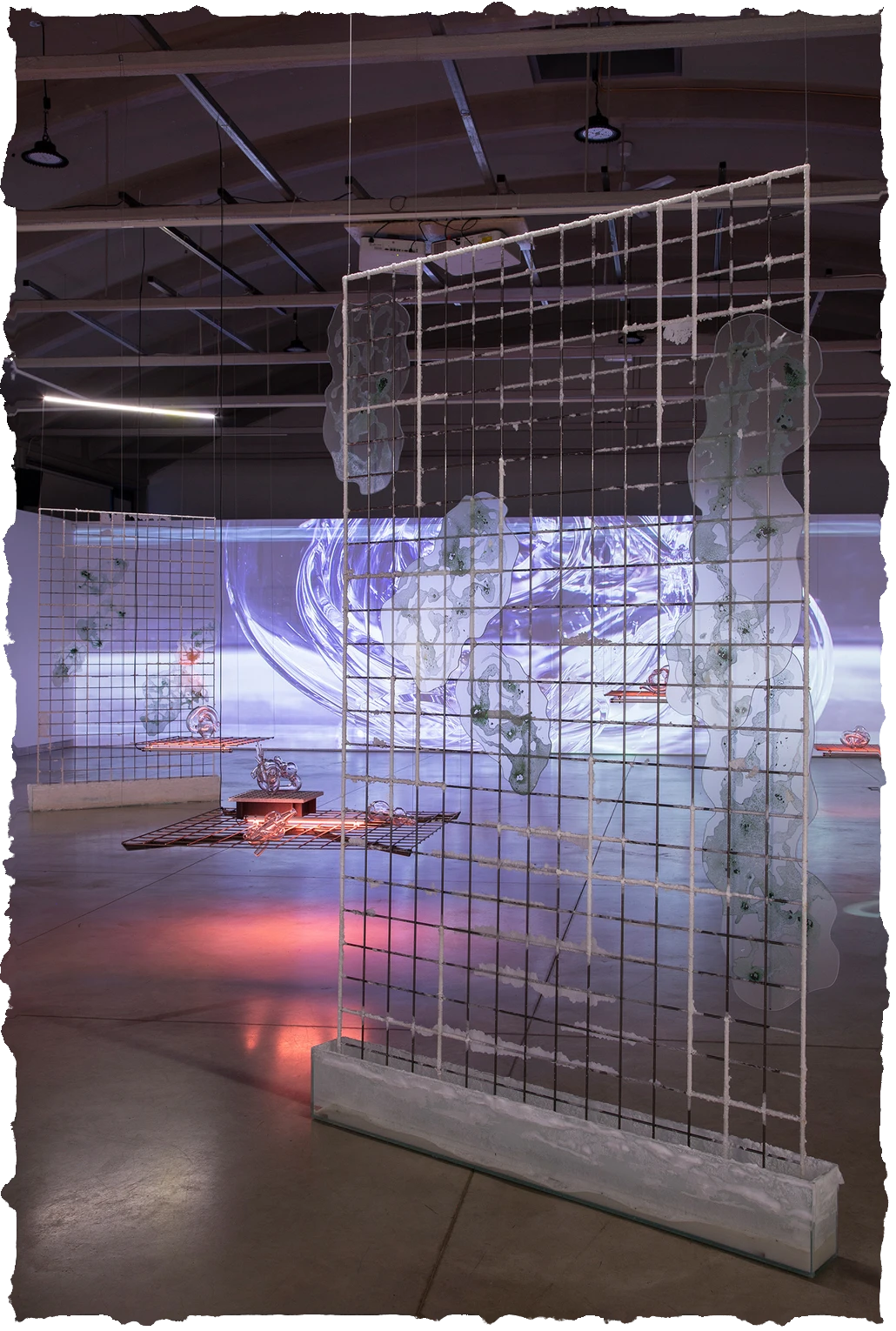
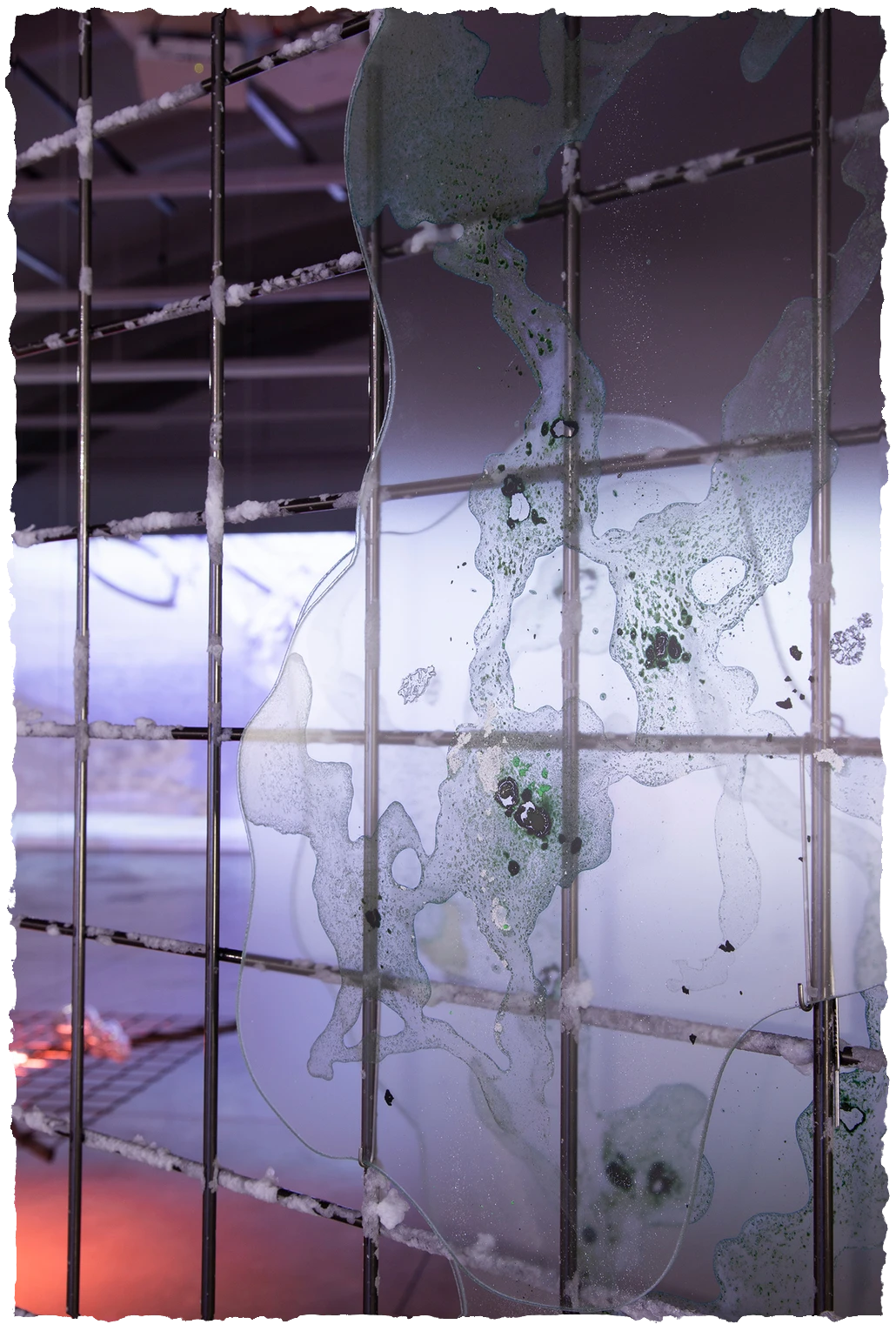
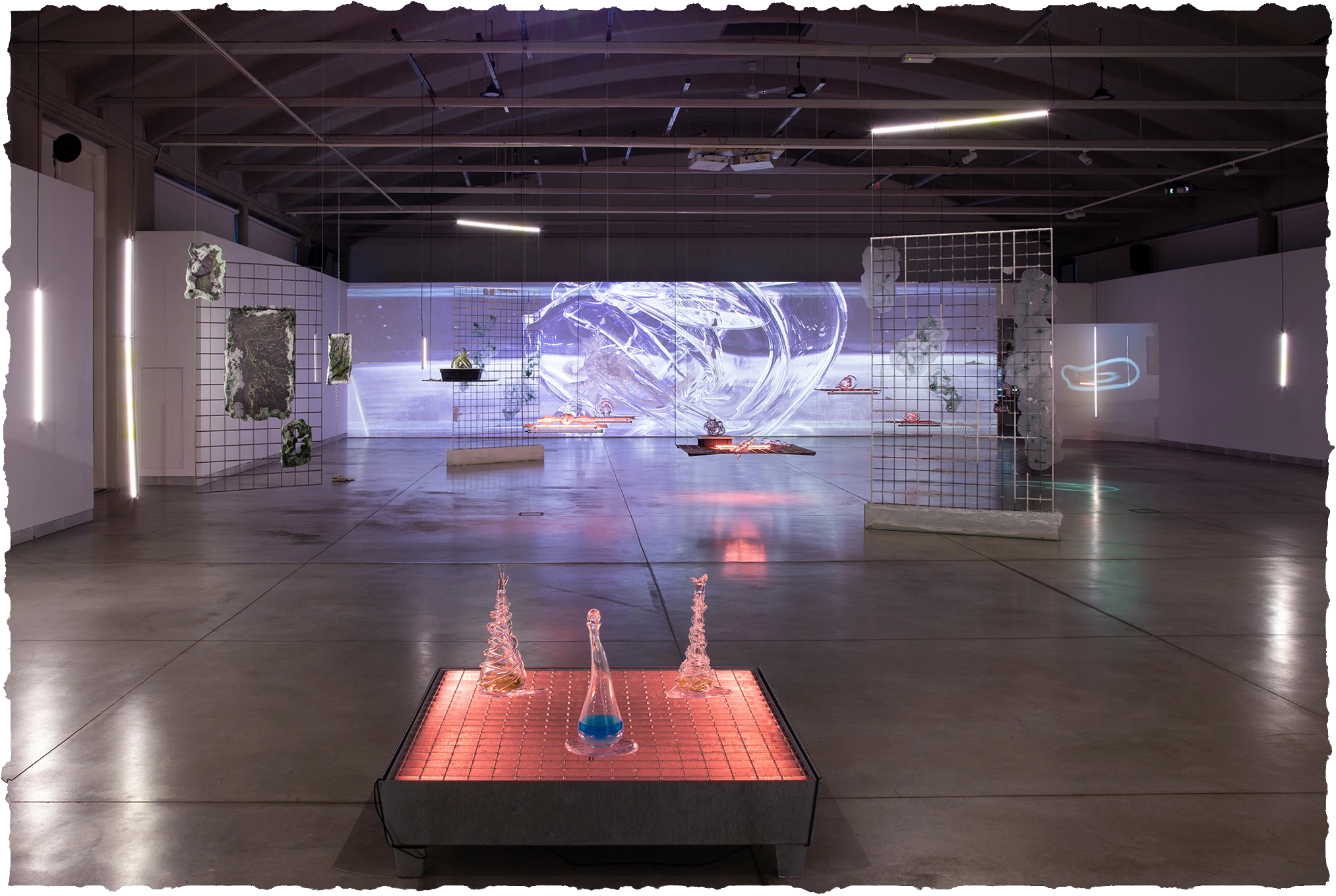
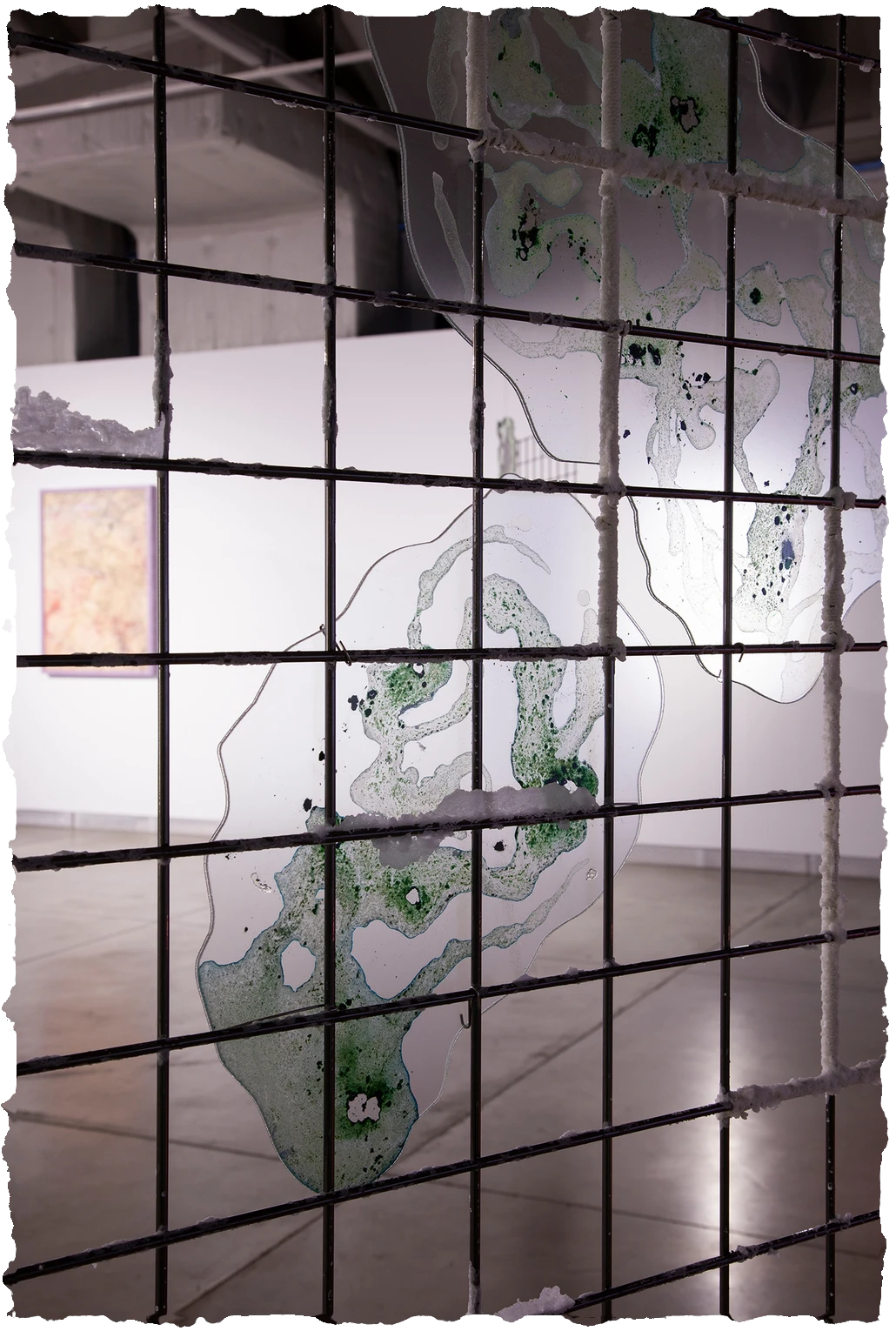
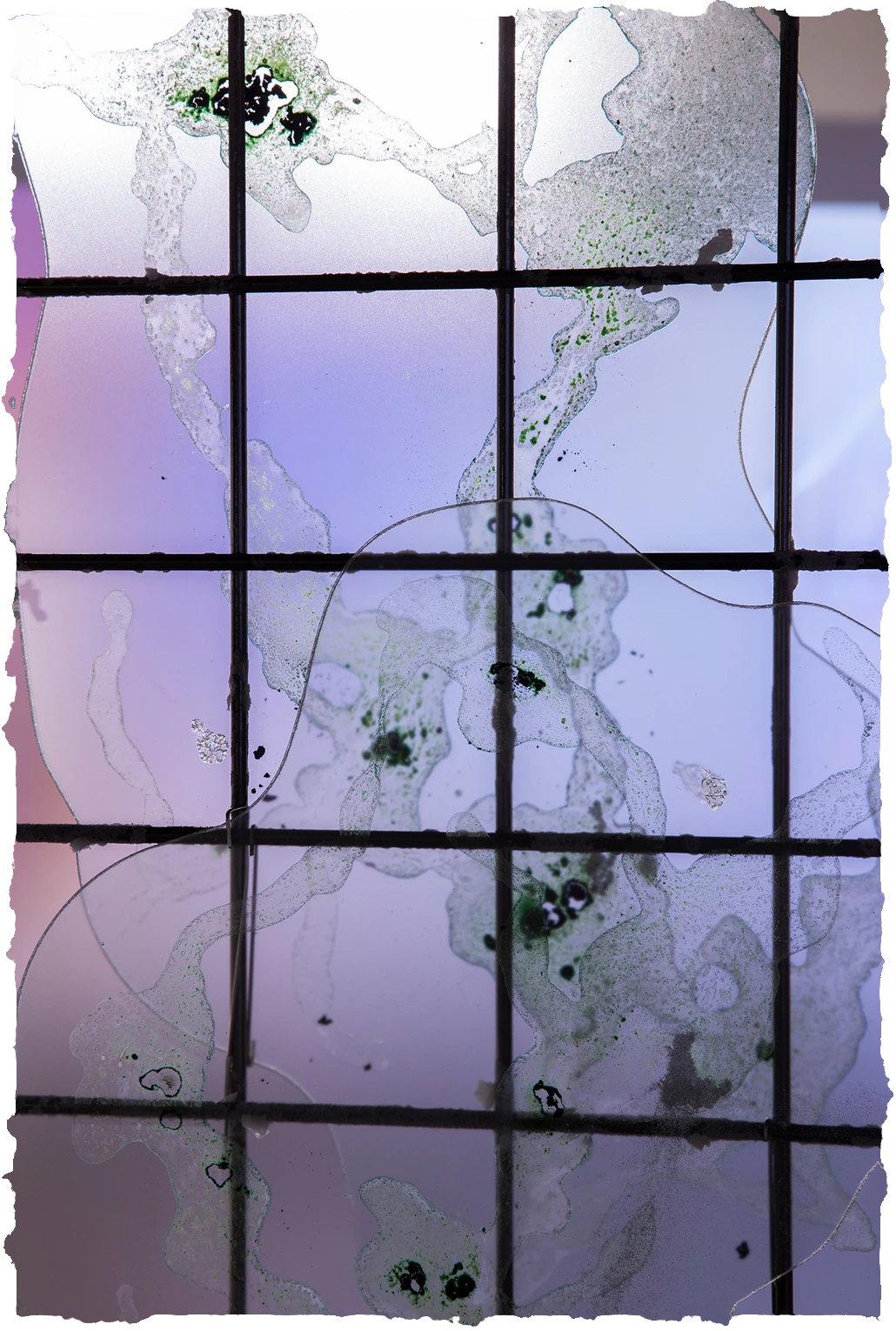
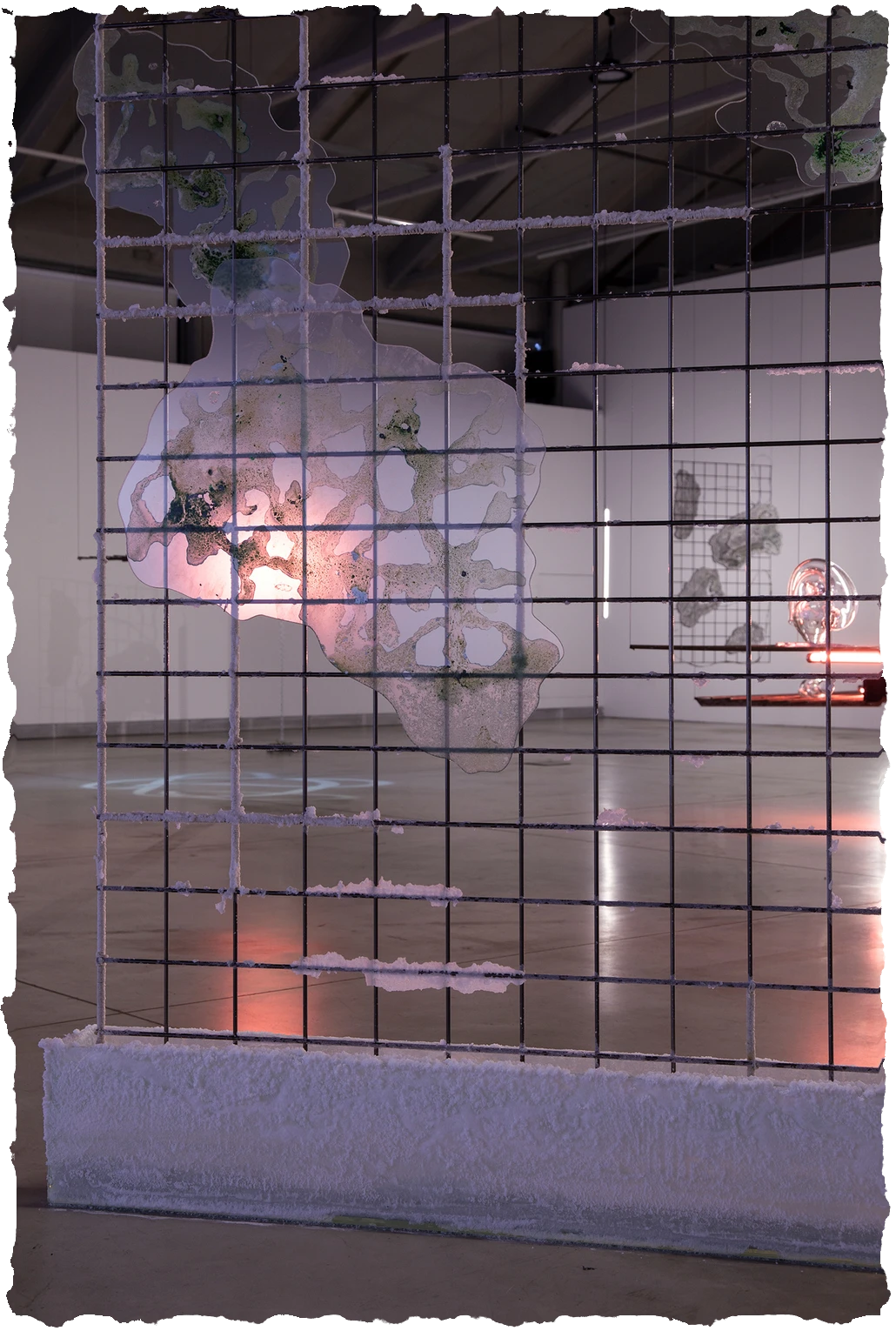
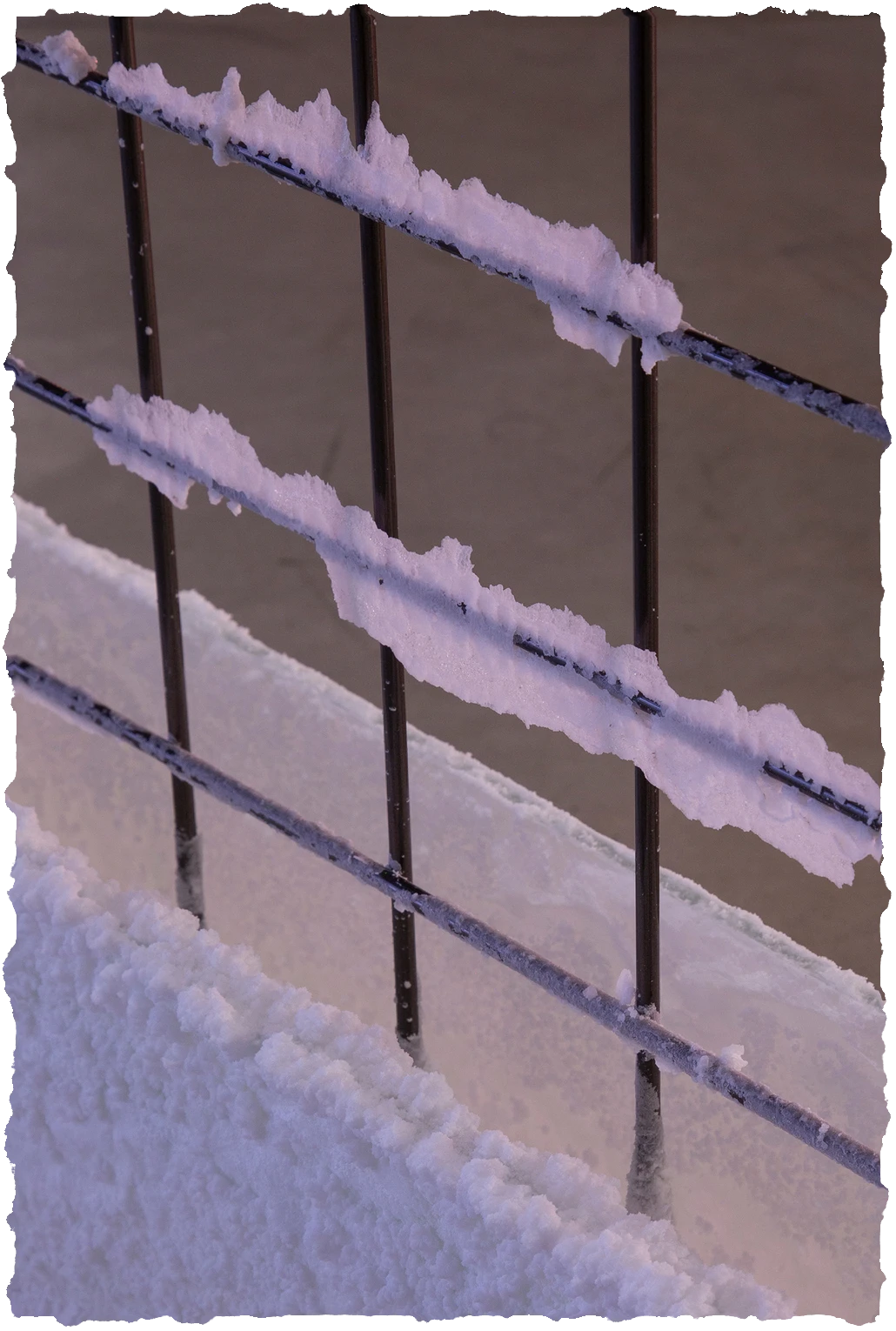
cyanoceans is an invitation to go on an underwater journey into the deepest layers of geological and ecological time of the oceans. While focusing on marine ecology in the age of climate change and loss of biodiversity, the exhibition invites us to contemplate and speculate on the subjects of human impact, desire, and adaptability. The exhibition is a collaboration between multidisciplinary artists Tuomas A. Laitinen and Kristina Õllek, whose works at the exhibition are in dialogue and merge into an immersive installation.The name of the exhibition is a made-up word: 'cyanoceans' is a combination of cyanobacteria and the ocean. It refers to marine life, which includes octopuses who have copper in their blood, which is called hemocyanin. Thus, the word 'cyanoceans' was created for this show by the artists and it indicates the way the artists prefer the viewers to see the exhibition and the world—as an interconnected and symbiotic whole.Both artists have been interested in marine ecology and different marine life forms in their artistic practices, and have often been combining research on early life forms, geopolitics, and ecological speculations. For the past three years, and also for this exhibition, Kristina Õllek has been growing sea salt on photographs and other materials, combining them with different pigments. It's a long and experimental process in which the end result is unpredictable, as the artist herself will not have full control over the process—the salt will change and adapt to the gallery space.
By growing sea salt, Õllek aims to draw attention to the dead zones in the Baltic Sea. She has been interested in marine ecology for the past six years, and for the past four years her focus has been on the Baltic Sea, which is unfortunately one of the most polluted seas in the world. The Baltic Sea is a semi-closed sea with slow water exchange. One of the reasons behind the dead zones—areas depleted of oxygen and life forms—is that the less saline water and the salty water doesn't mix and the salty layer stays at the bottom of the sea. The Baltic Sea has approximately 60 000 to 80 000 square meters of dead zone, which makes it the largest in the world.
Another human-induced reason behind the poor conditions of the Baltic Sea is the extensive agriculture that relies on fertilizers, which combined with poor water management and rising sea water temperature, results in toxic green-blue algal blooms in the sea. Õllek has been researching and working with cyanobacteria, one of the oldest living things on our planet, and one of the most amazing and most important organisms on Earth: 3.5 billion years ago, cyanobacteria played an important role in oxygen exchange, and the atmosphere was created largely due to them. However, each year the Baltic Sea battles with cyanobacteria blooms, which happen when otherwise harmless cyanobacteria are introduced to the flow of excess nutrients and fertilizers, and, as a result, become toxic. Through working with different materials—seawater, cyanobacteria, limestone, metal, clay, pigments, fossils and sea salt—Kristina Õllek's body of work brings out the anthropocentric impact on fragile marine ecology.
cyanoceans is not only mirroring the current alarming conditions of marine ecology, but it is also a speculation on possible futures, which include adapting to new environments and developing new ways of intelligence and being, similar to octopuses. Or perhaps more similar to the jellyfish, which is a species that thrives in the otherwise harmful conditions of acidification and rising sea temperatures of the oceans. The works presented at the exhibition are meant to be seen in a dialogue, through each other and from all angles, in order to open up new poetic perspectives and to move away from the anthropocentric point of view. They also invite us to rethink the position of humans on the planet.
Excerpt from the text by Annika Toots, January 2024