
Dryads Of Cosquer
The Dryads of Cosquer title fuses the Greek 'Dryads'—tree goddesses of lore—with 'Cosquer', a partially submerged prehistoric cave near Marseille. Frequented over millennia from approximately 27,000 to 14,000 BCE, the cave is famed for its ancient paintings and engravings, but due to rising sea levels it is destined to be completely flooded within a few decades. The title's conflation of past and present mirrors Gimbutas's assertion that patriarchal structures are but a recent development in human history.
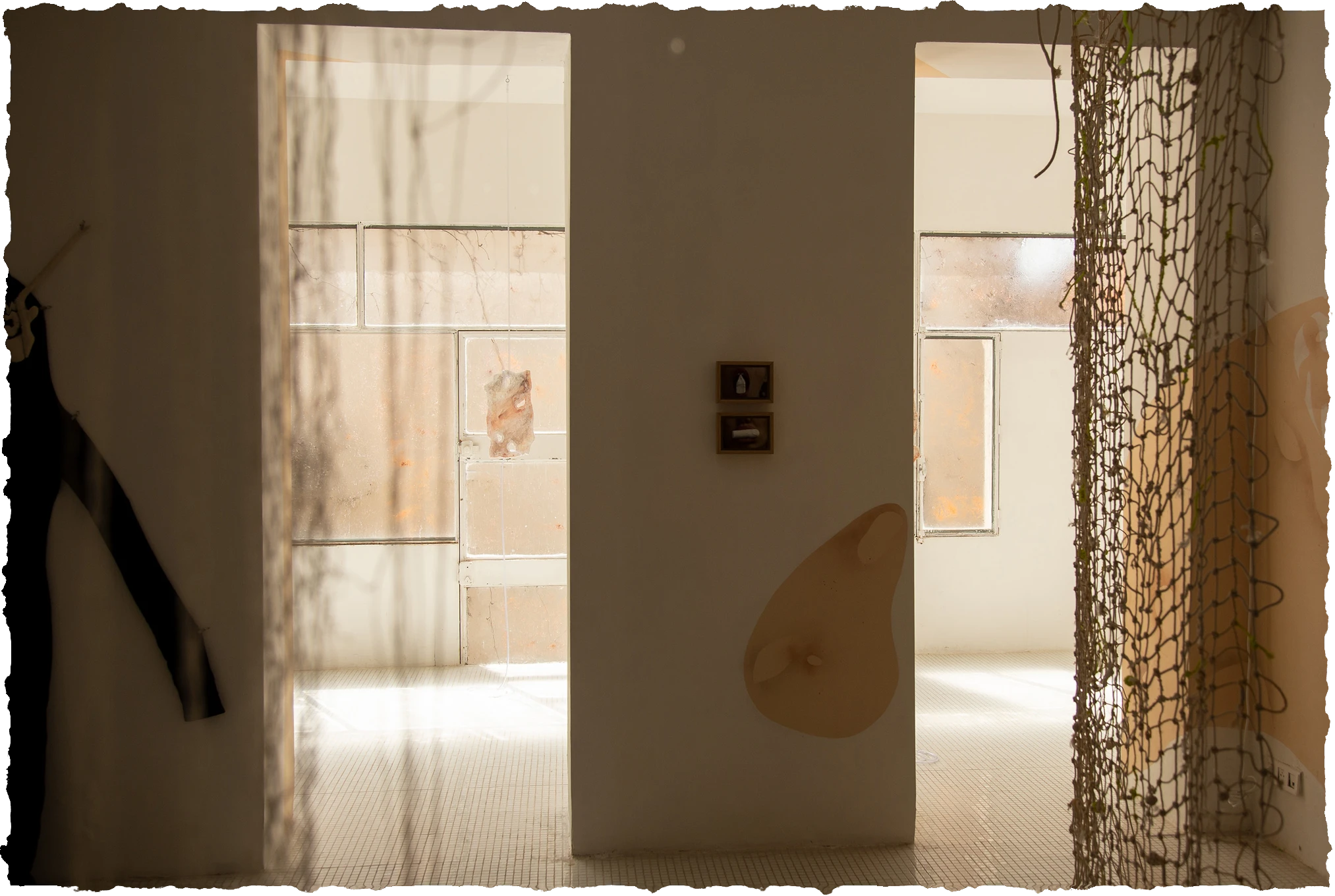
American-Lithuanian scholar Marija Gimbutas (1921-1994) proposed that a peaceful, nature-worshiping matristic society existed in the late Neolithic period in the Mediterranean region. This society, centered around a female Goddess, was known for its advanced sign language, ceramics, and extensive trade networks. Inspired by Gimbutas' cultural legacy, a three-partite project in Marseille has been conceived. This collaboration nods towards the feminist myth of the founder of Marseille and draws connections to the Cave Cosquer, highlighting the prehistoric drive for creativity and probing the essence of reality. In these challenging times, merely exploring a feminist and ecological vision requires immense courage. Proposing that humans might coexist harmoniously with one another and all forms of life are often dismissed as naïve. Yet, Marija Gimbutas' assertion that such a harmonious existence predates patriarchy—and that patriarchy is "only 5,000 years old"—is a vital perspective that demands attention.
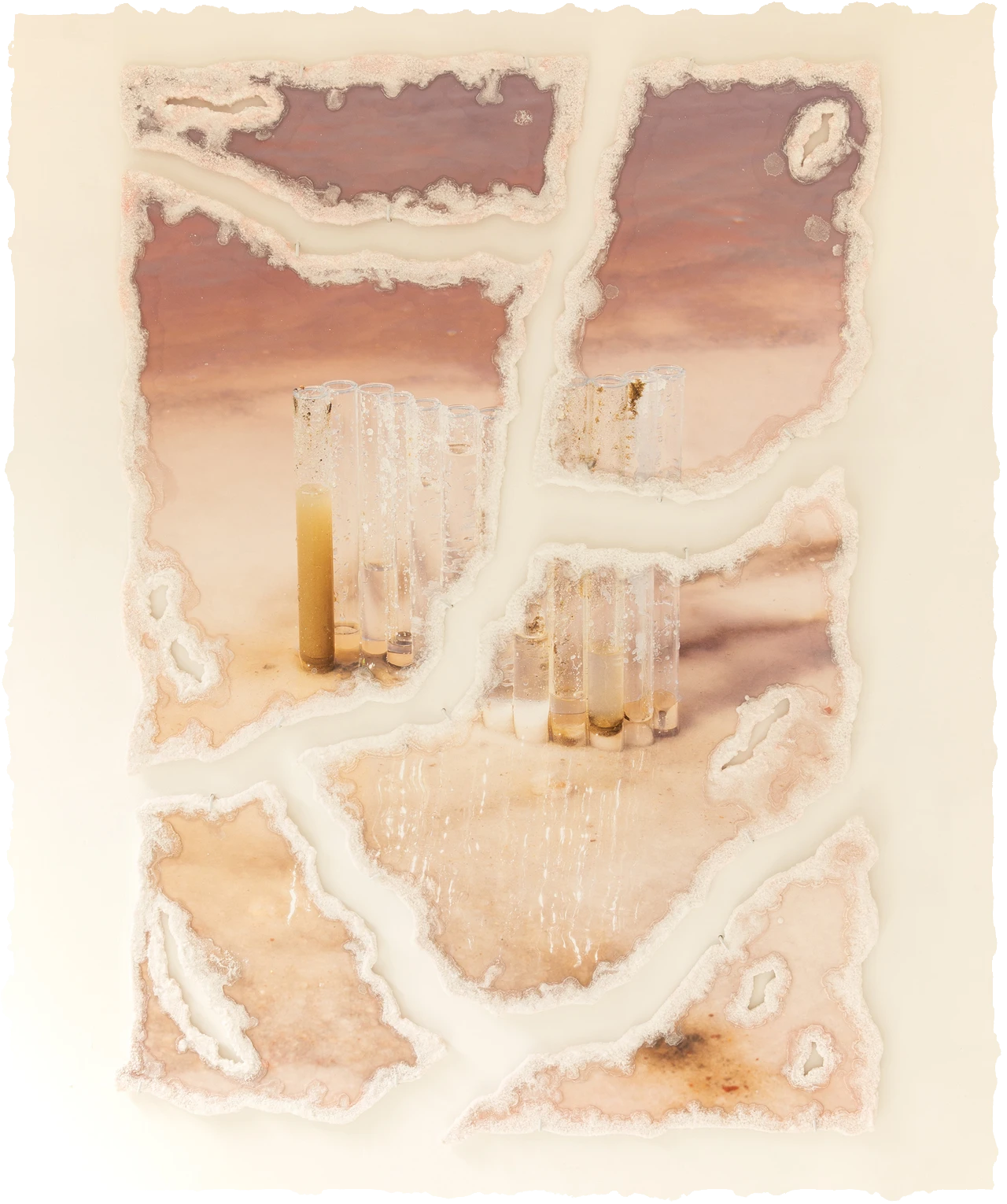
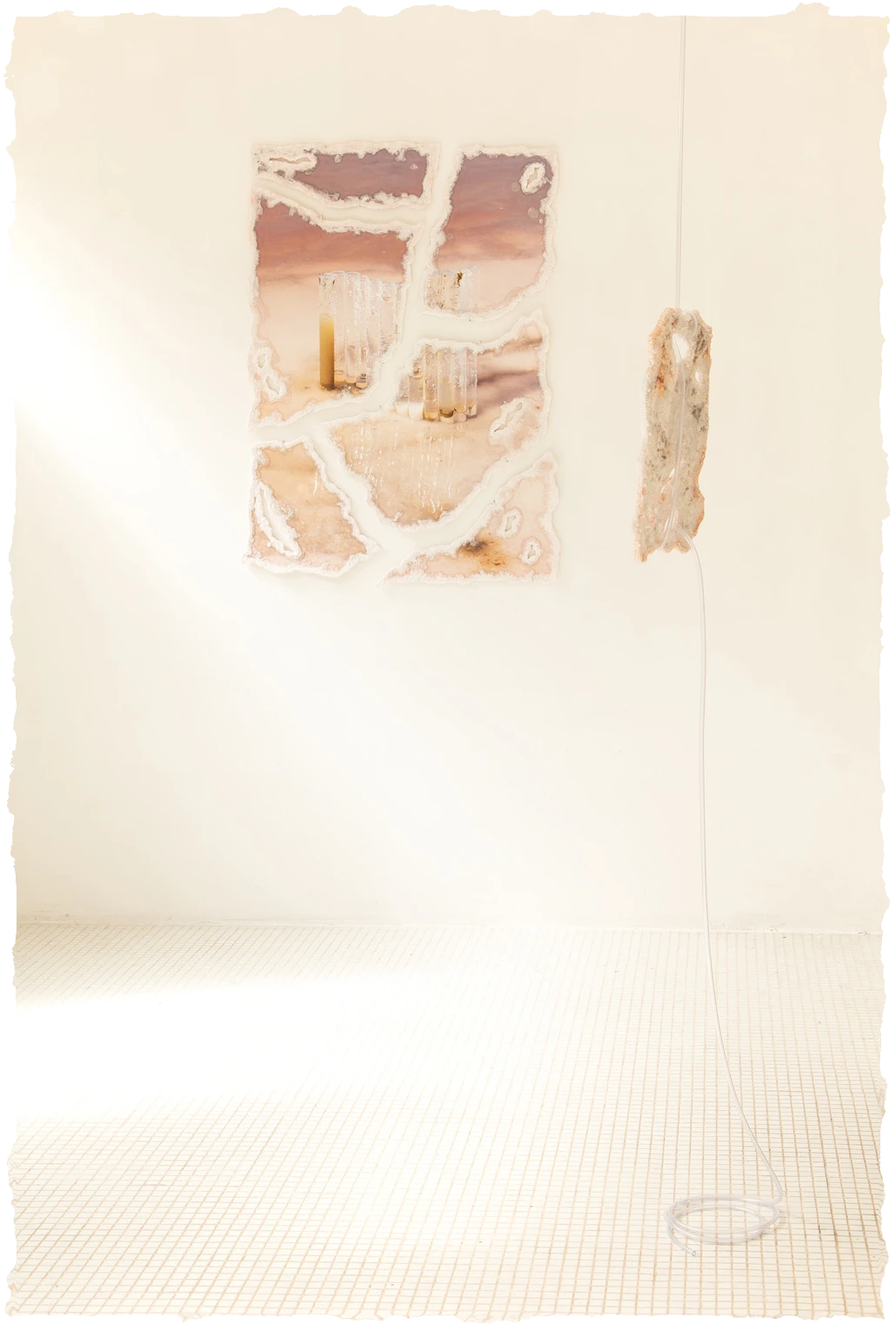
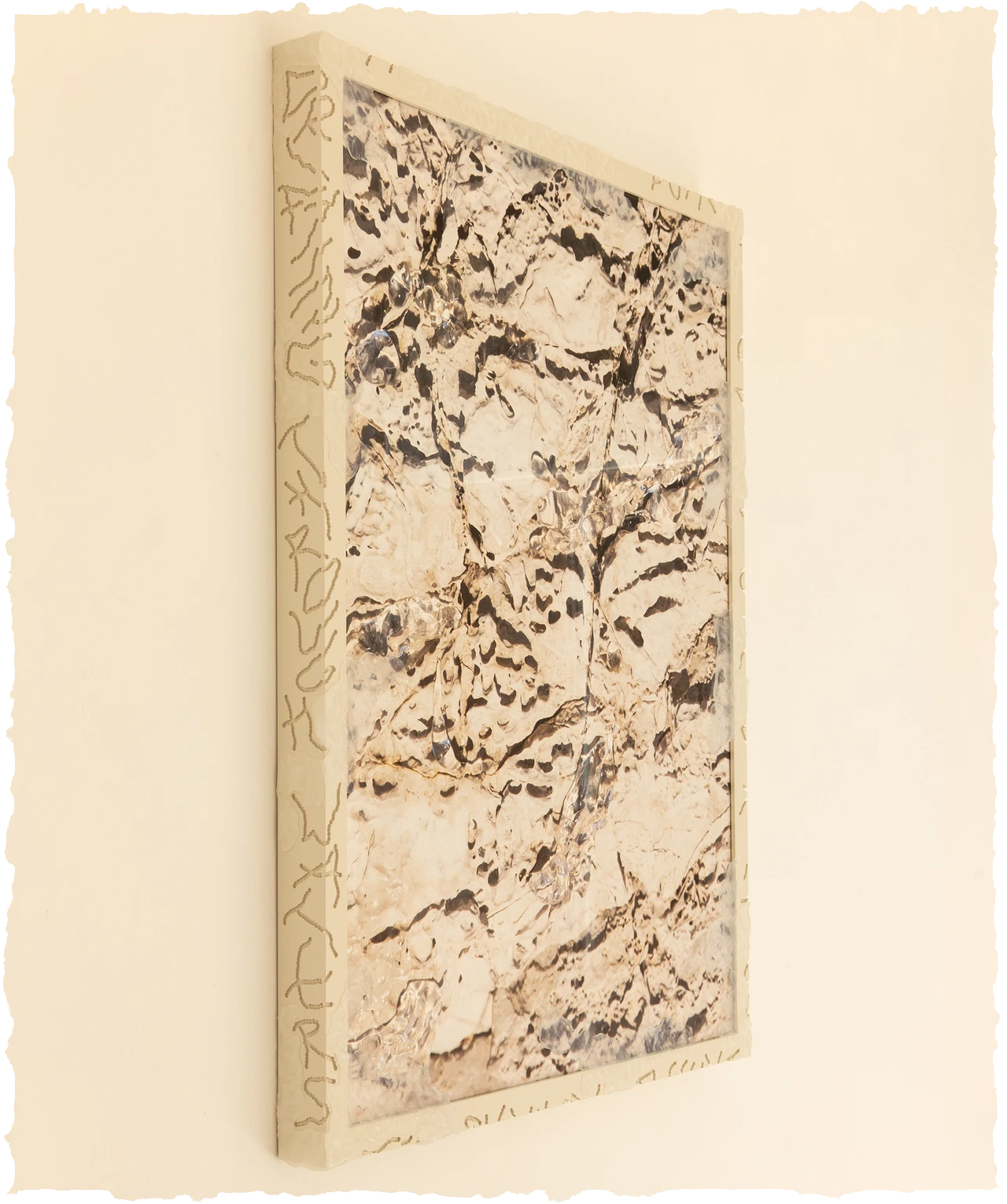
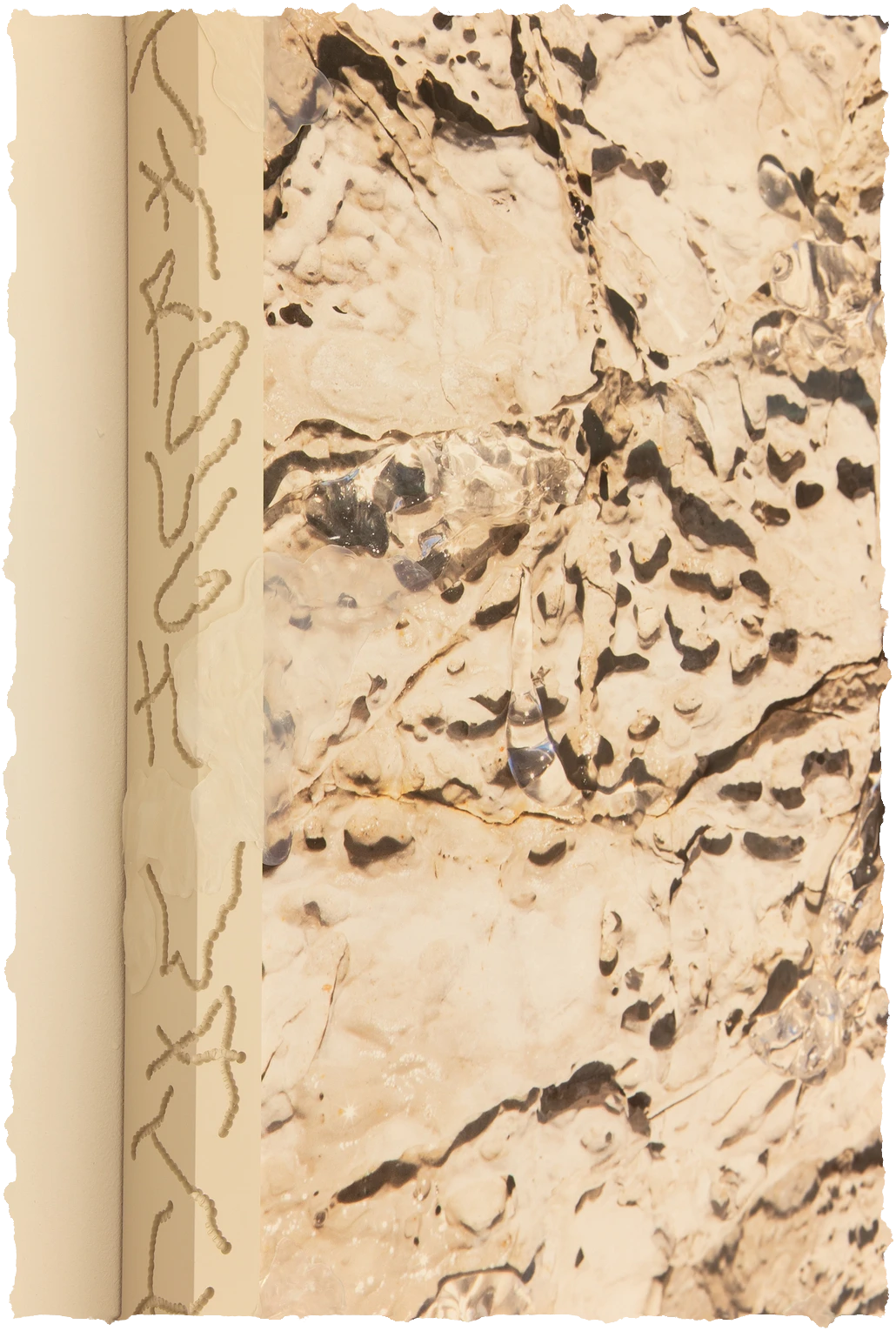
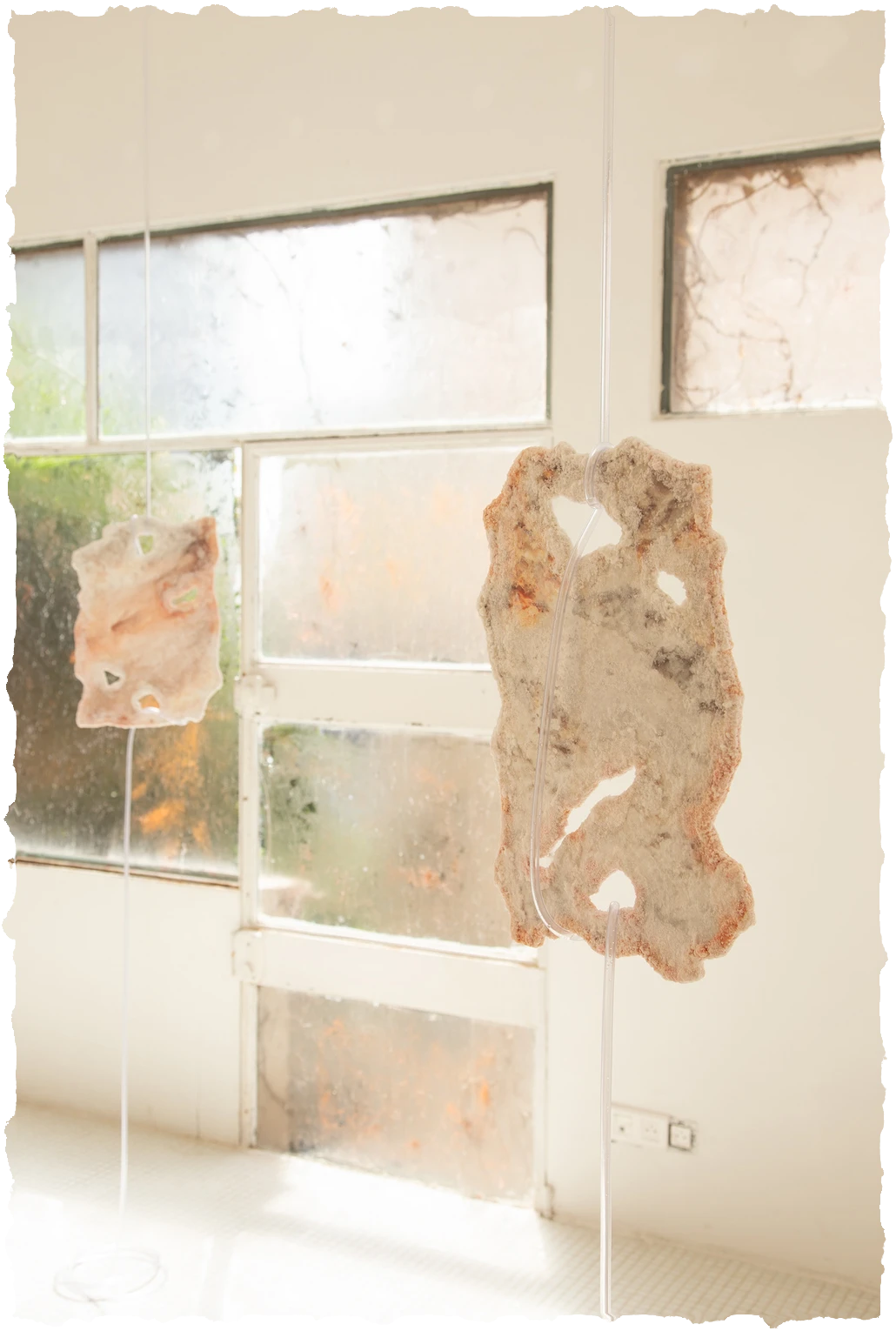
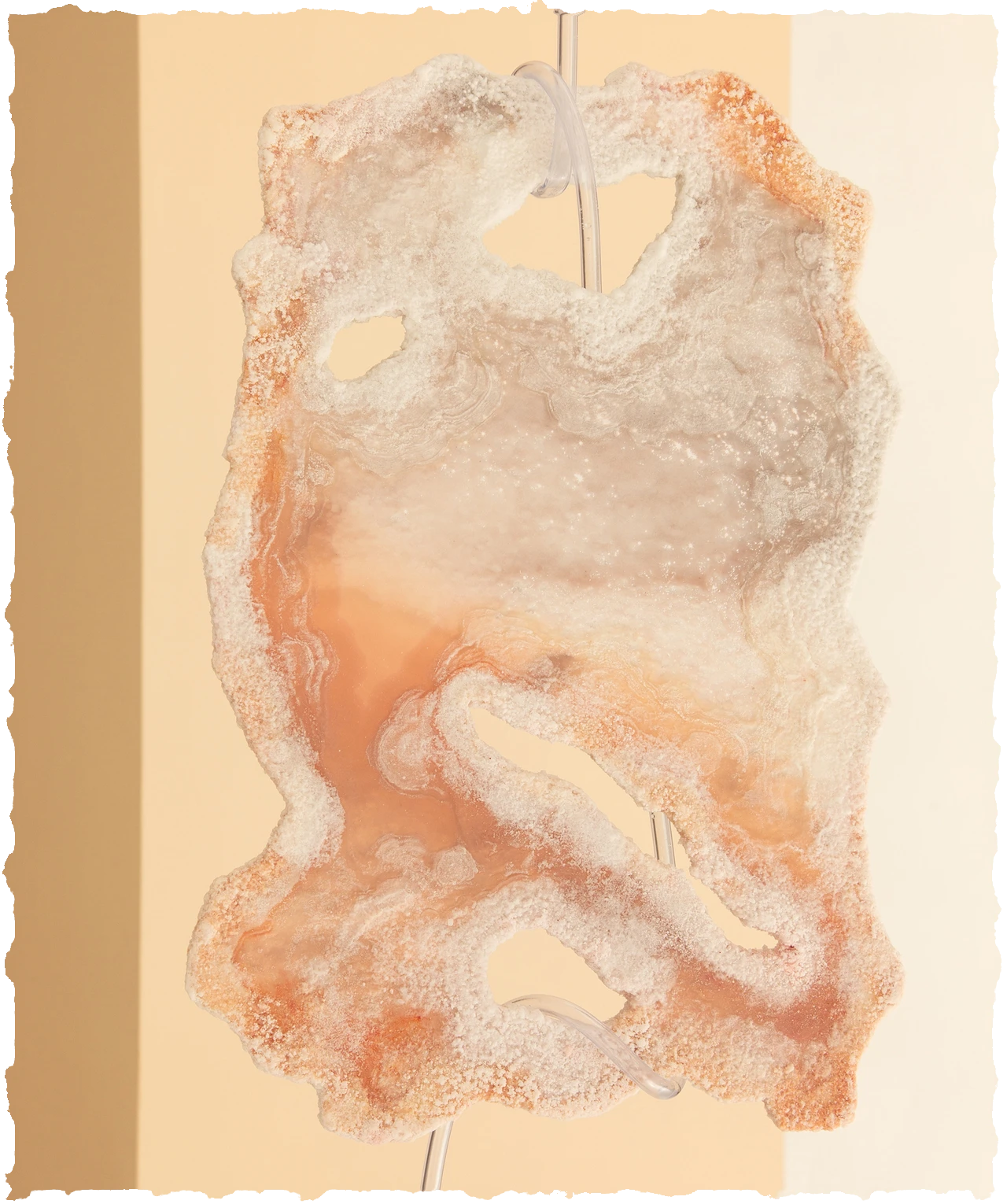
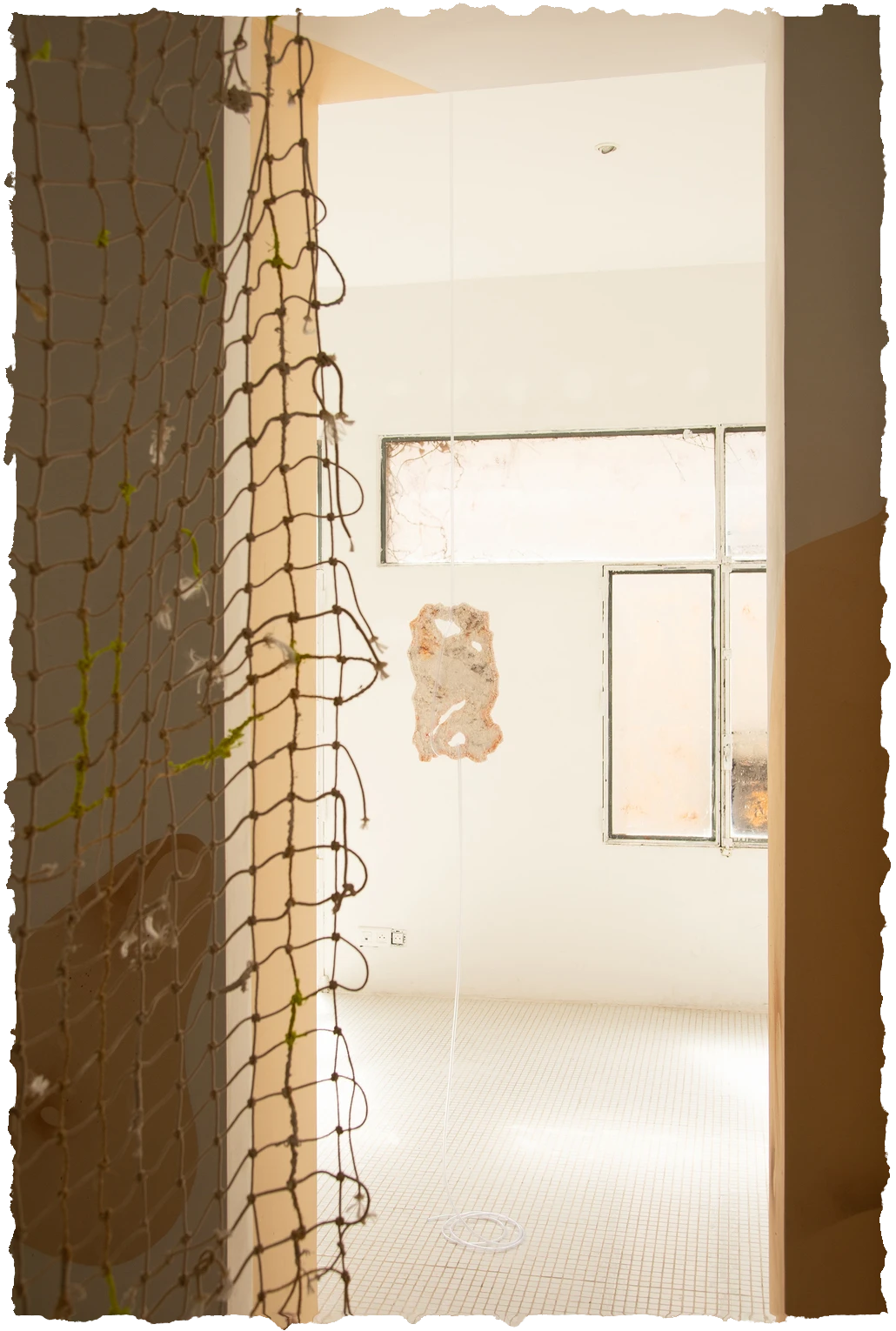
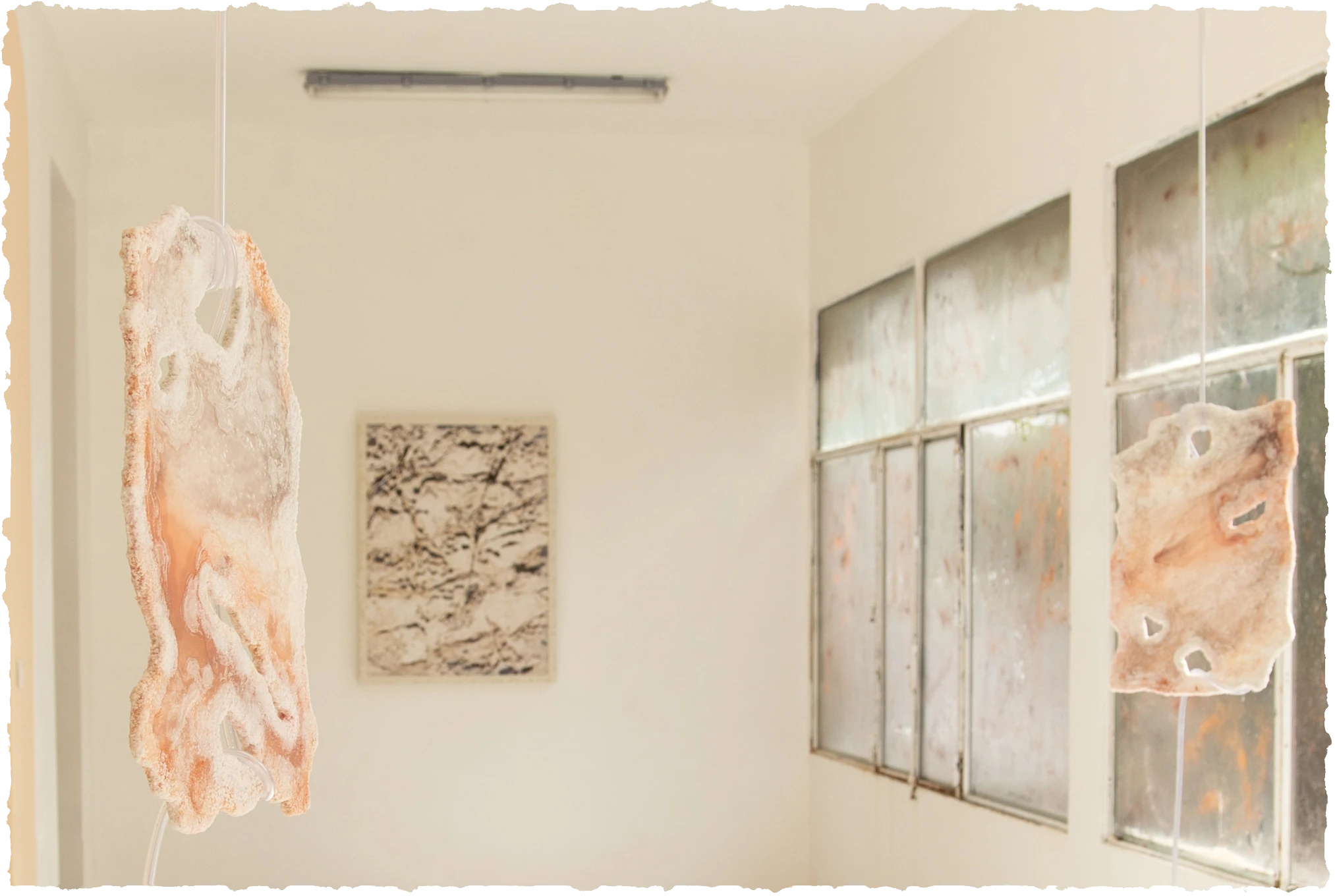
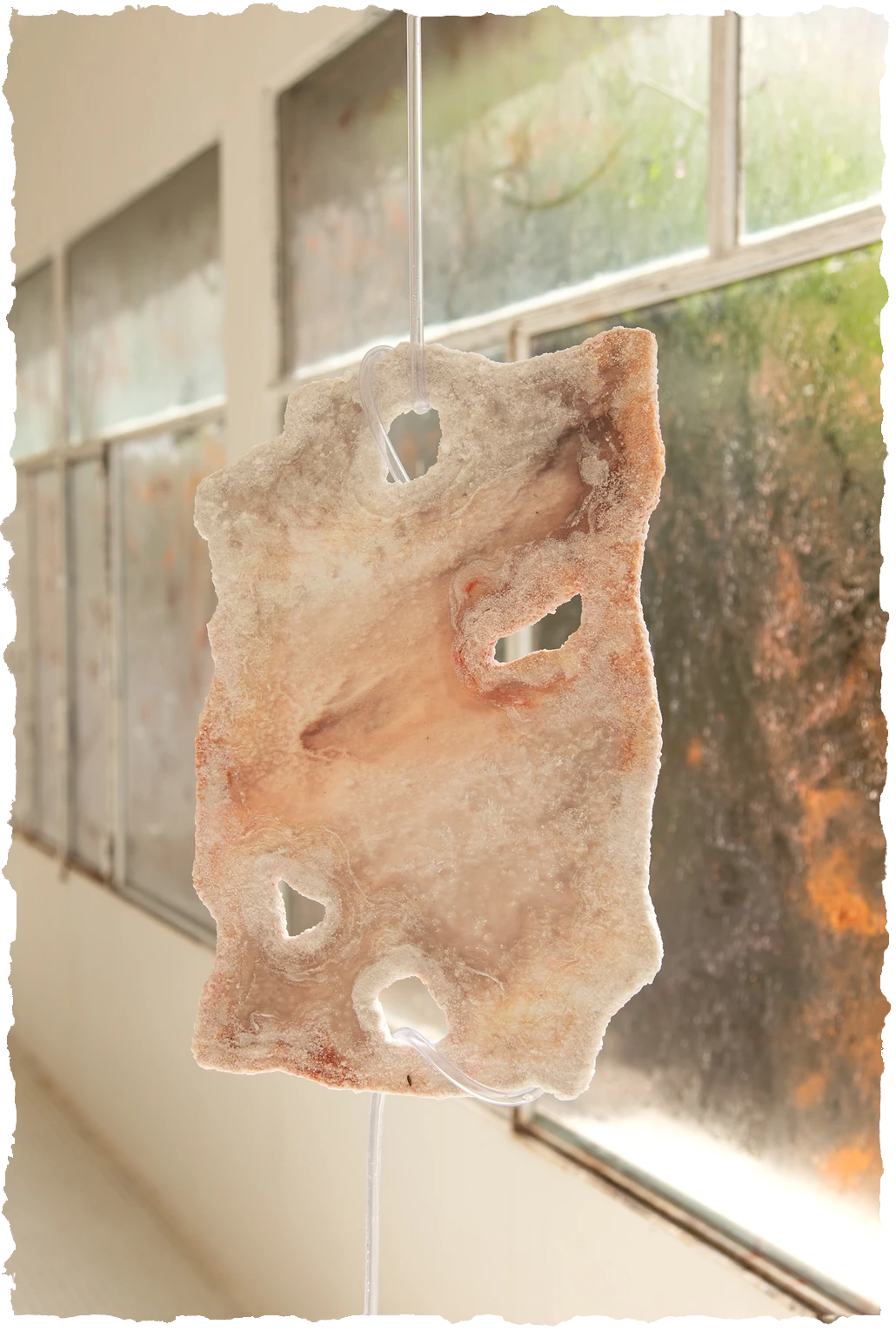
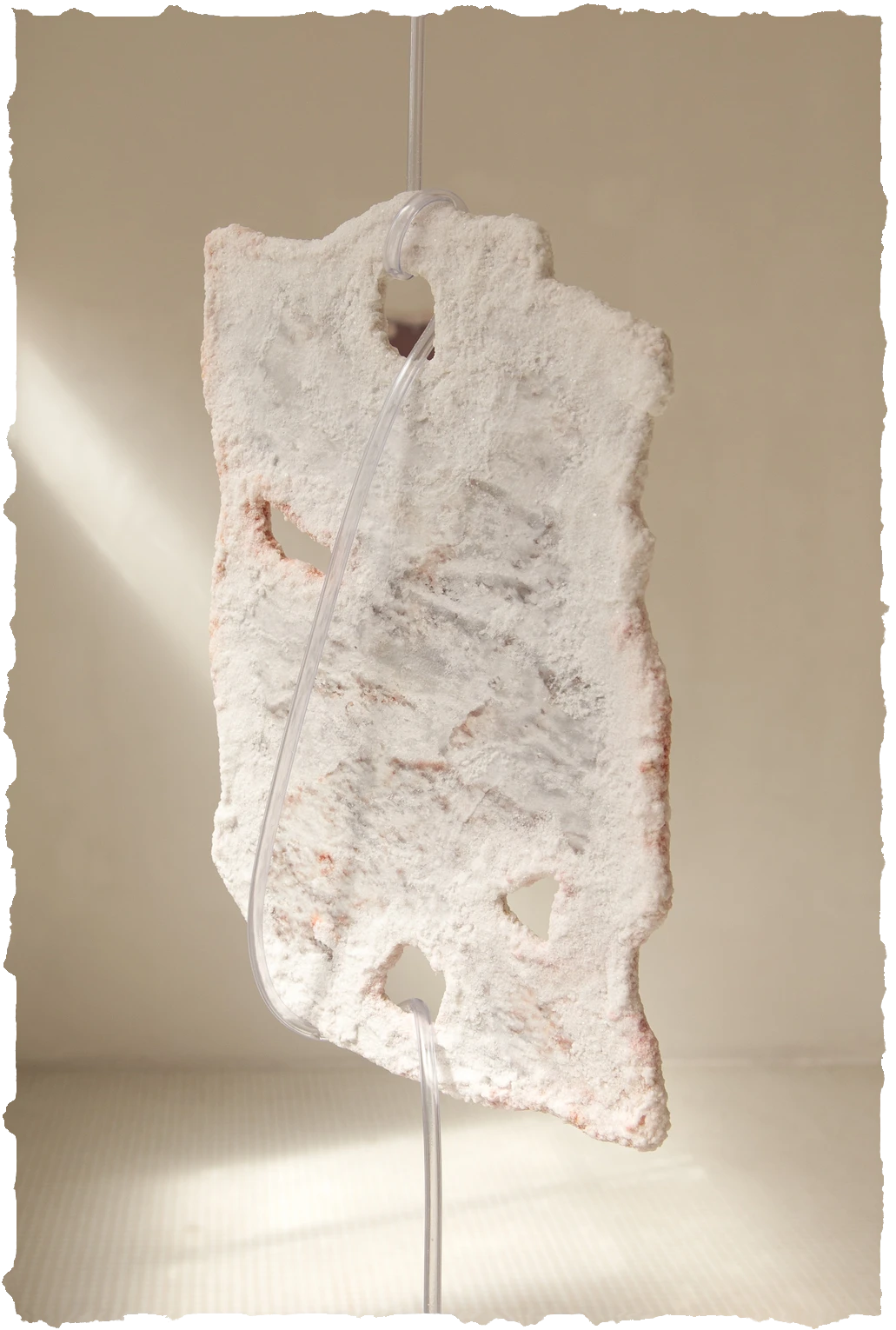
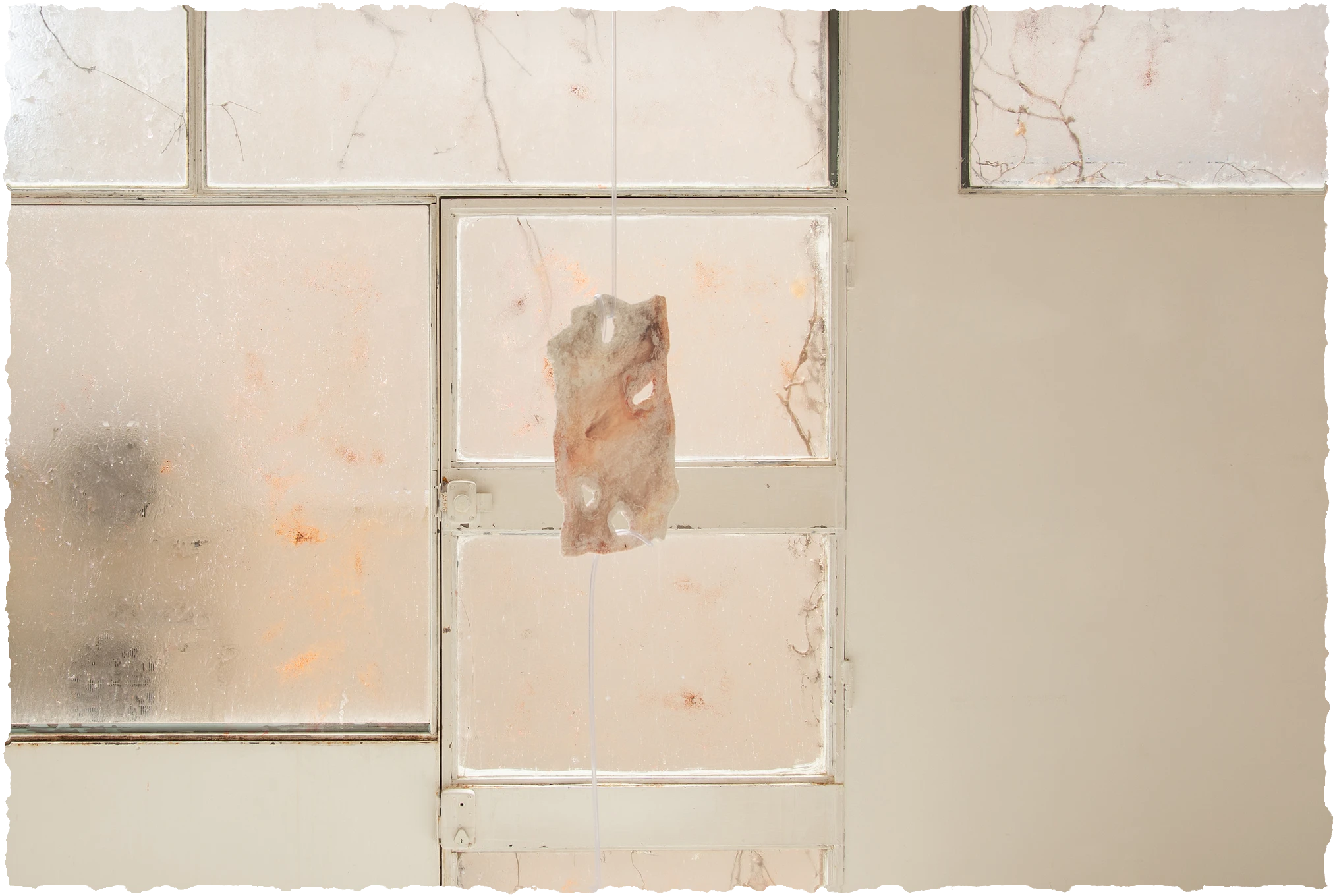
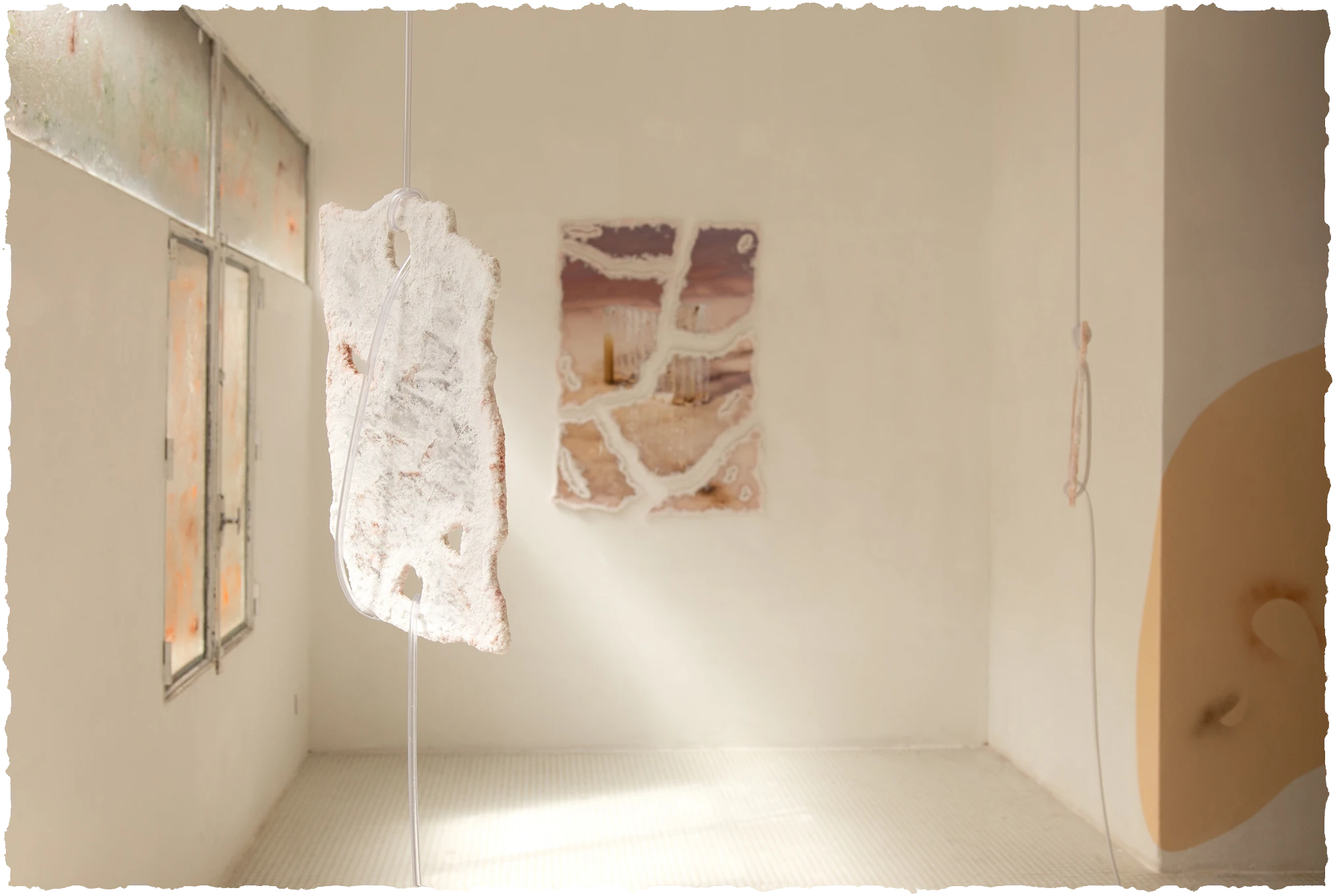
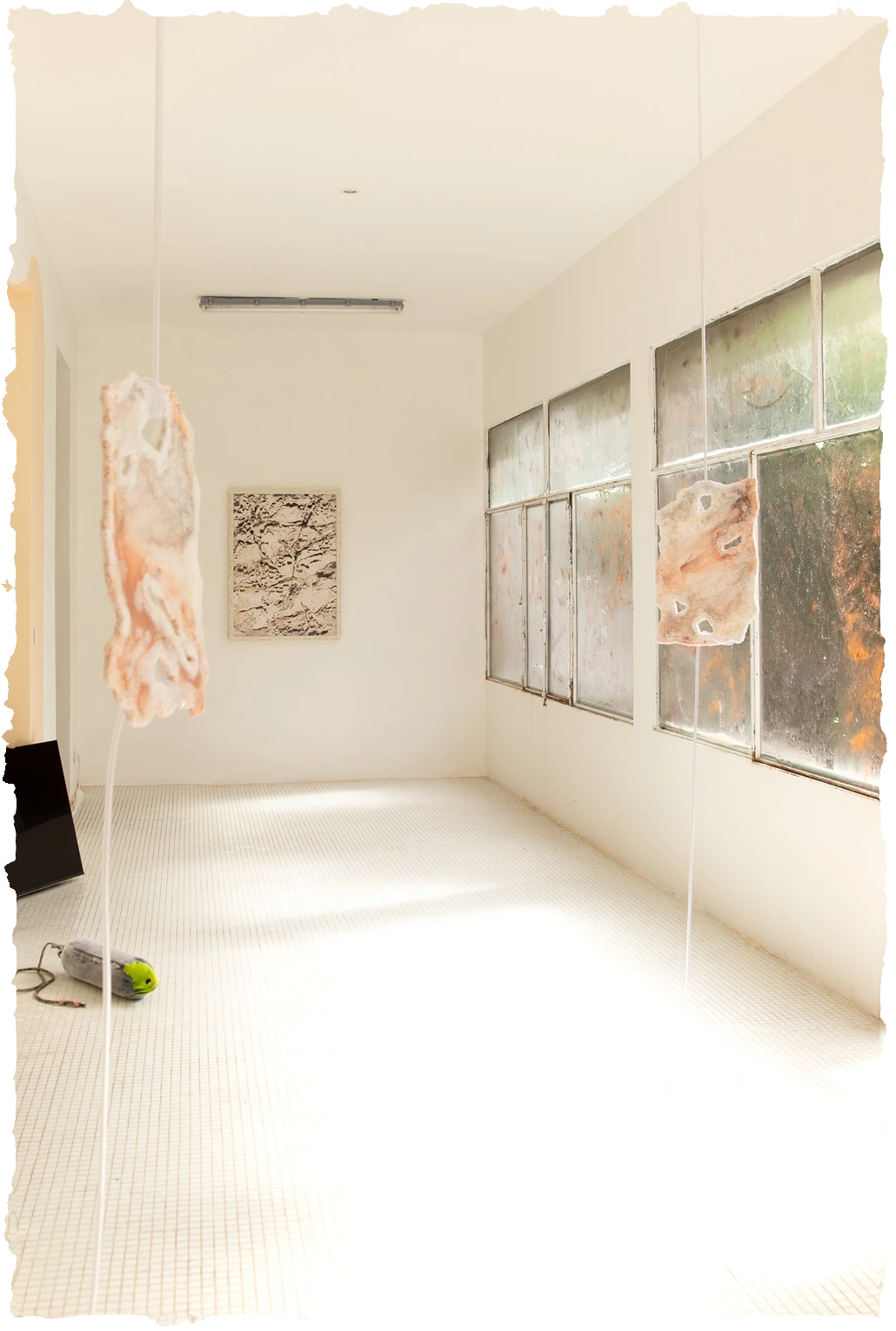
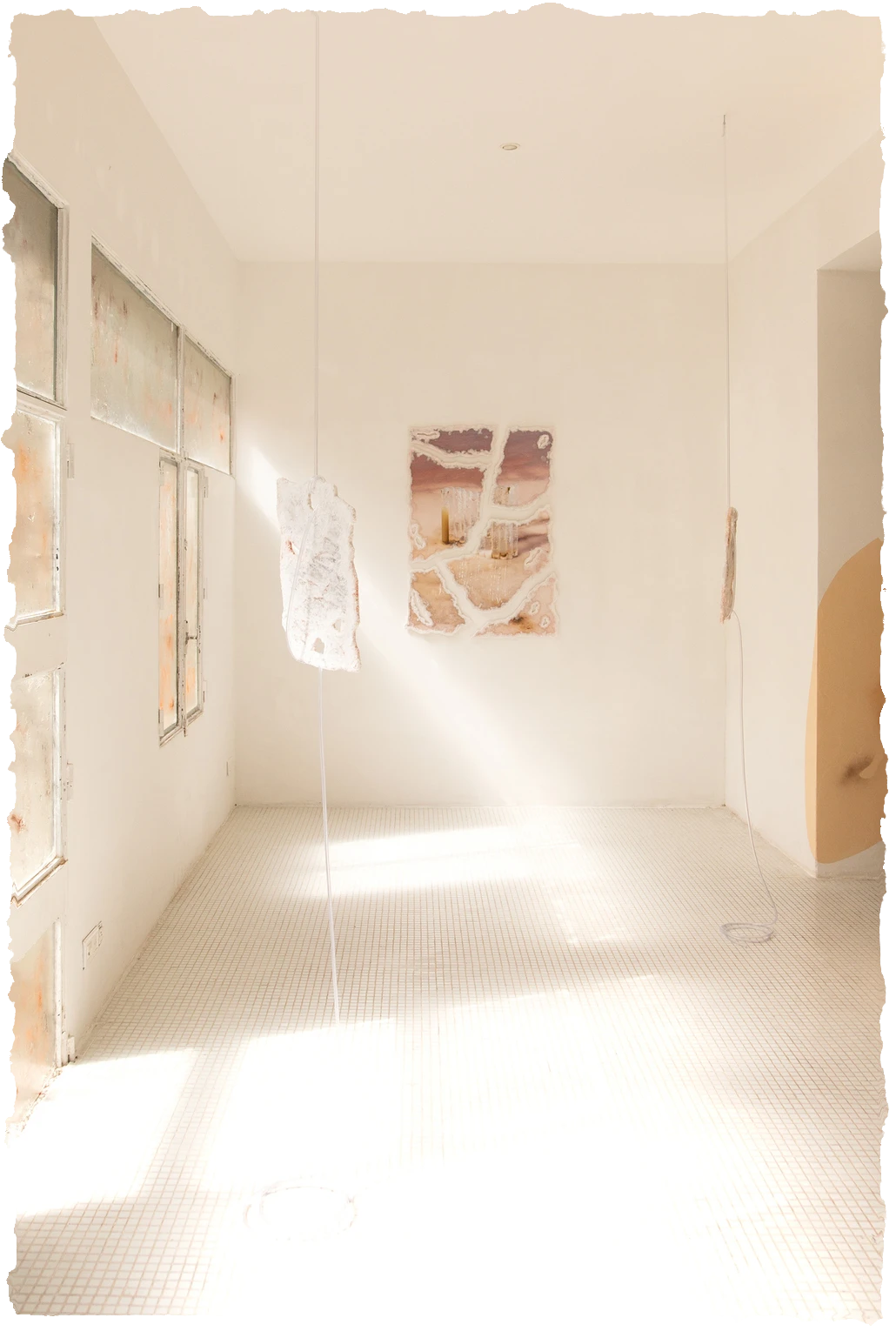
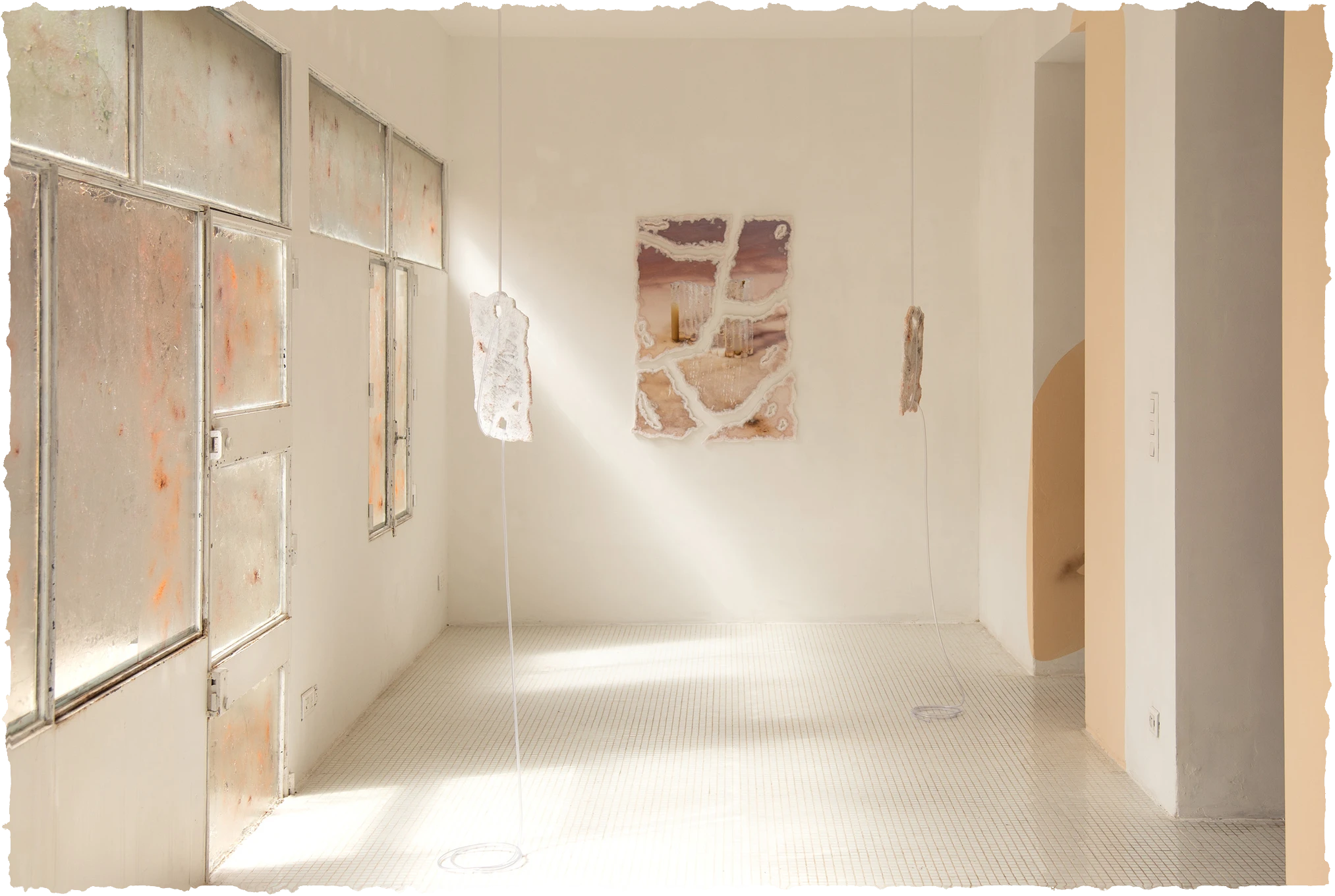
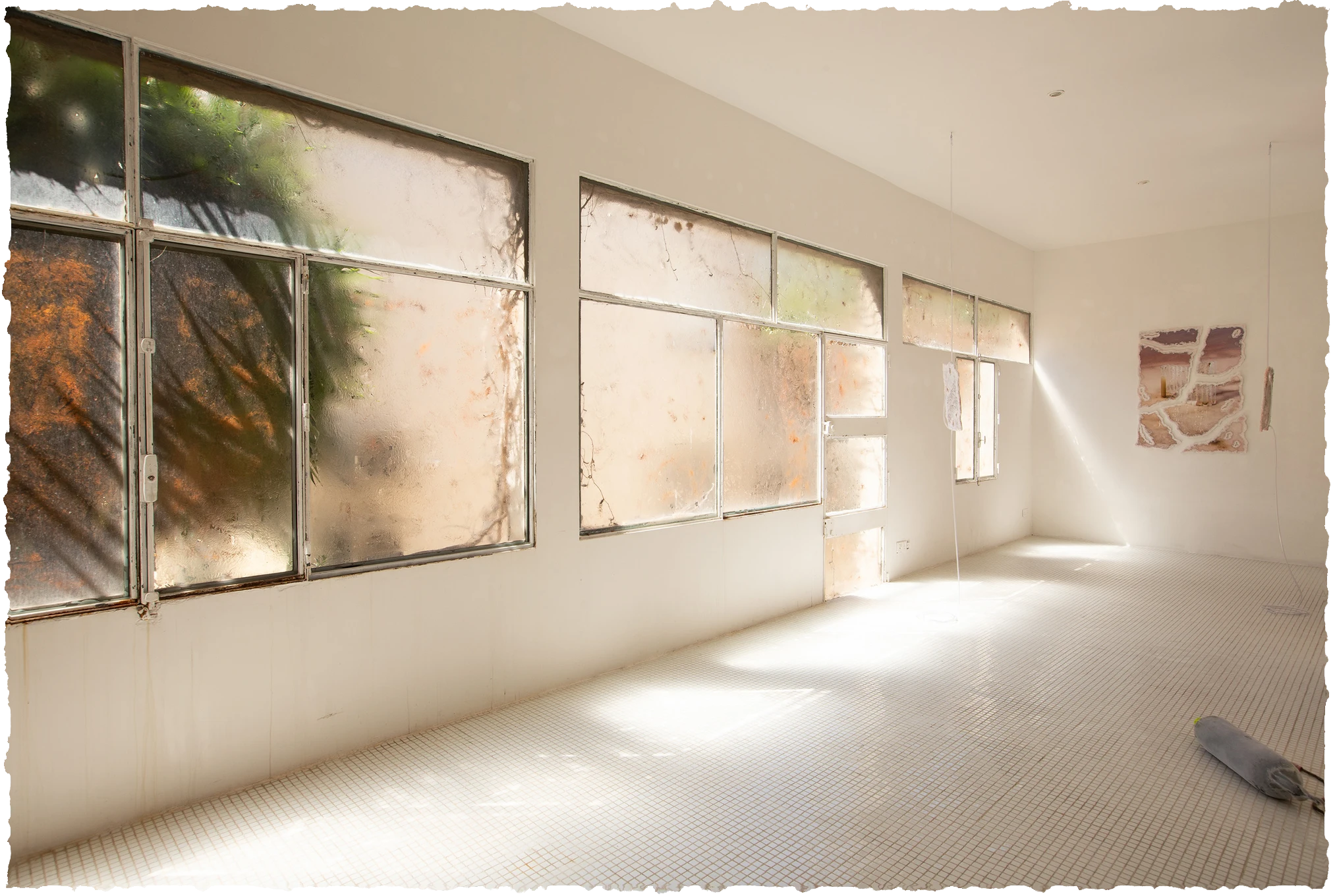
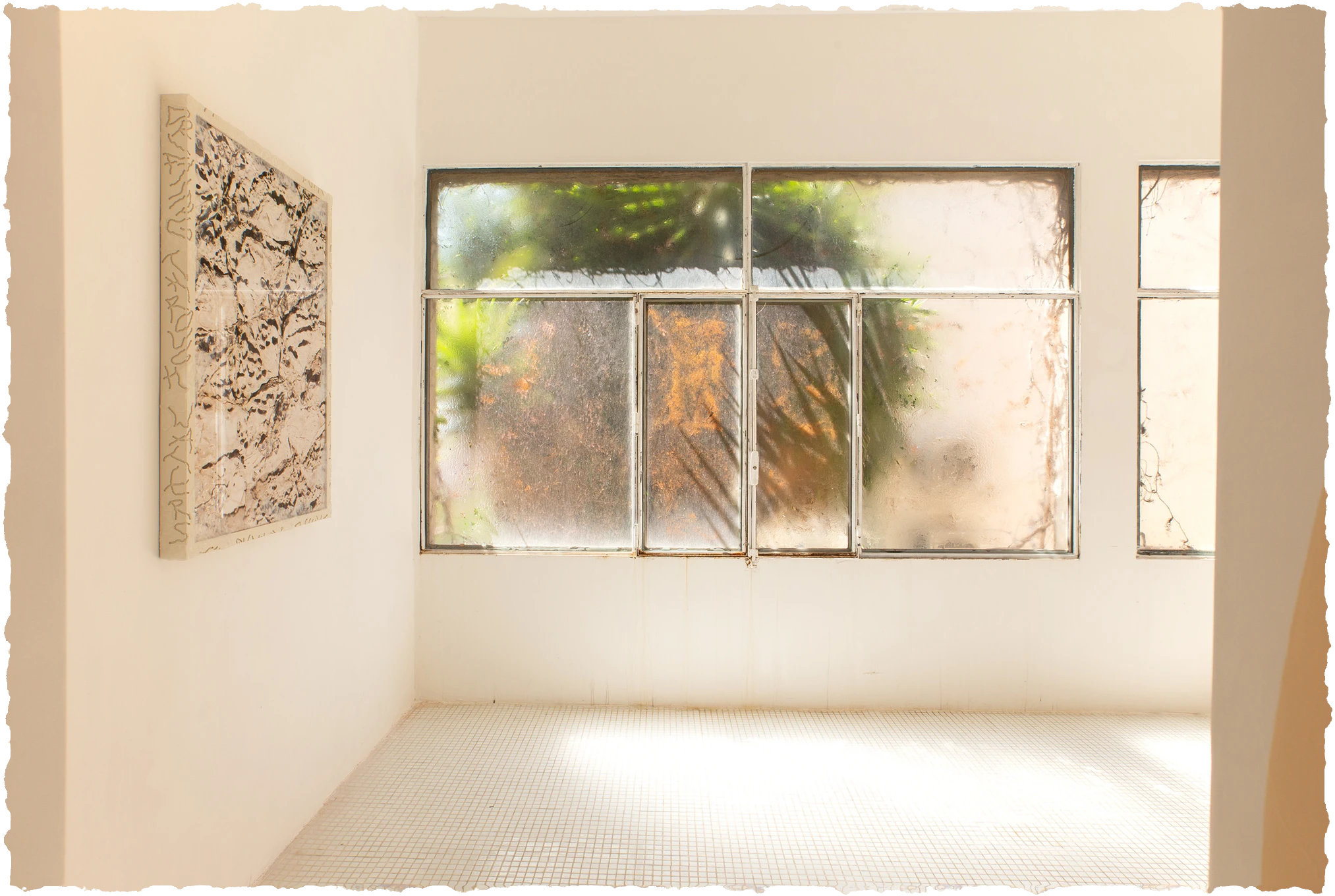
Kristina Õllek's intervention, conceived especially for the exhibition, resembles the pink sun-blocking algae blooms of local salt marshes, combining it with perception of the Cosquer cave and the pigments used for the ancient cave paintings, is the result of the artist's two-week residency in Marseille in April. Celebrating earth and water as potent life forces, the artworks extrapolate from ecological, hydrofeminism, and more-than-human themes.
La Traverse hosted artist Kristina Õllek for a residency during which the artist conducted research in Marseille and Salin-de-Giraud, and was in a dialogue with the Mediterranean Institute of Oceanography. During this period, she visited the Camargue region's Aigues-Mortes salt marshes—a unique and dramatic pink ecosystem that supports an extensive bird population including a quarter of France's flamingoes. Its distinctive pink hue is created by the presence of Dunaliella Salina—known for its antioxidant activity and with high levels of the carotenoid pigment beta-carotene found in hypersaline environments, being responsible for most of the primary production in the hypersaline areas worldwide.
Text excerpts by: Merilin Talumaa and Juste Kostikovaitė